

Focus & Insights

WSIB Changes: What You Need To Know About Proposed Benefit Increases
The Short Answer: Ontario has proposed two major WSIB changes for 2026. Loss of Earnings benefits would rise to 90% of a worker’s pre-injury earnings, and wage loss support would continue past age 65 instead of stopping after two years the way it does now for workers injured later in their careers. Nothing is final yet, but the direction points toward more support, for longer.
If you work in Ontario or run a business here, these updates matter. The Workplace Safety and Insurance Board, better known as WSIB, is the provincial insurance board that pays benefits when someone gets hurt on the job. The proposed changes would give an injured worker stronger financial footing during recovery, and they would reshape how employers think about a workplace injury and its long-term cost. Here is what is on the table and what it could mean for you.
A Long-Overdue Update To Worker Support
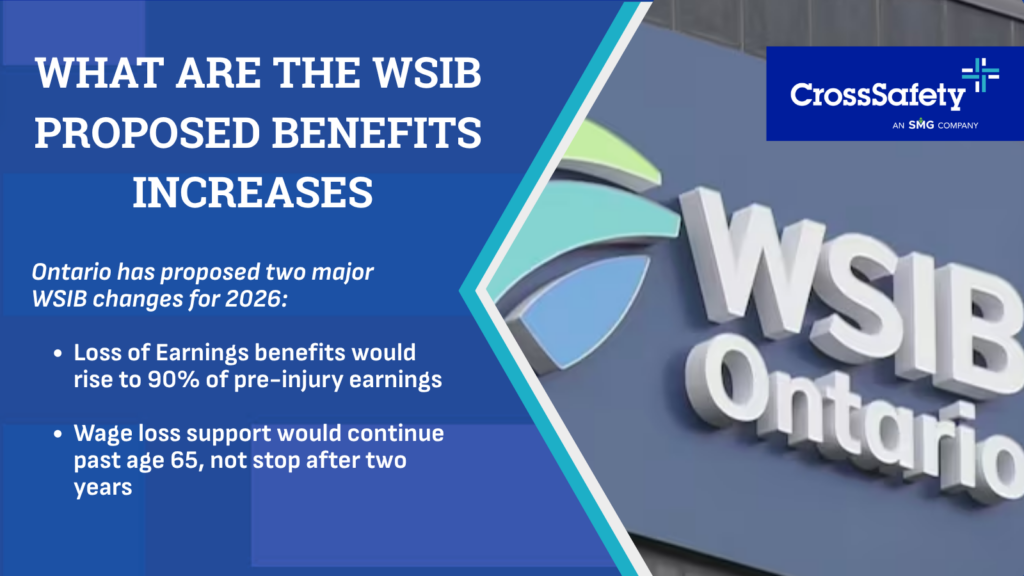
For many injured workers, WSIB benefits have not kept pace with the cost of living. Rent went up. Groceries went up. The support did not. This update is built to close that gap.
Part of why an increase is possible now comes down to the board’s finances. WSIB spent years paying down an unfunded liability, the shortfall between what it owed injured workers and what it had set aside. With that gap resolved and its books on steadier ground, room opened up to improve benefits for the first time in decades. That history is worth knowing, because it explains why this updated WSIB proposal arrives now rather than years ago.
Higher Income Support During Recovery
The headline change is an increase to Loss of Earnings benefits.
- Payments would rise to 90% of pre-injury earnings
- This replaces the current, lower percentage
Quick definition: Loss of Earnings, or LOE, is the income replacement WSIB pays when a worker cannot earn their usual wages because of a work-related injury.
The math is based on your insurable earnings before the injury, so a higher percentage means more of your normal paycheque stays intact while you heal. In plain terms, wage loss benefits would cover more of the everyday costs that do not pause during recovery, like housing, groceries, and monthly bills. For a worker already managing the stress of an injury, that difference is real.
Extended Benefits Beyond Age 65
The second change focuses on older workers. Right now, a worker aged 63 or older is generally limited to two years of LOE benefits. The proposal would extend support beyond age 65 and remove that time-based cap, so an older worker recovering from an injury keeps income support for as long as the medical treatment and recovery require.
This one reflects how people actually work today. Many stay on the job well past the traditional retirement age, by choice or by necessity. A workplace injury at 64 should not mean support runs out while the bills keep coming. Extending WSIB coverage matches the benefit to the reality of an older workforce.
What These WSIB Changes Mean For Workers
If the changes are approved, an injured worker in Ontario would see three practical improvements:
- More consistent income during recovery
- Longer access to support when it is genuinely needed
- Better alignment with how long people work and when they retire
Stronger benefits also matter for workers managing a pre-existing condition, since a WSIB decision weighs how a workplace injury interacts with prior health issues when it sets entitlement.
This is also the first major benefit increase in decades, which signals a broader shift toward stronger worker protection across the province. For anyone who has filed a WSIB claim and felt the support fall short, that shift is overdue.irst major benefit increase in decades, which signals a broader shift toward stronger worker protection.
What These Changes Mean For Employers
Employers have a stake here too, since WSIB is funded through employer premiums. When benefit levels rise, the cost of the system rises with them, and that cost eventually shows up in the premiums businesses pay. It is too early to know the exact effect on WSIB premiums, and the board has not confirmed how the increases would be funded. Still, this is the moment for employers and human resources teams to pay attention and plan ahead.
The most reliable way to manage that cost is to prevent the claims in the first place. As a CrossSafety professional notes, a strong safety program “helps reduce injuries, incidents, downtime, regulatory exposure, and unnecessary costs.” Fewer injuries mean fewer claims, and fewer claims help keep an employer’s premiums in check even as benefit levels climb. Prevention was always the smart play. Clear reporting and solid first aid training keep a minor incident from becoming a costly claim.
Key Considerations As Changes Move Forward
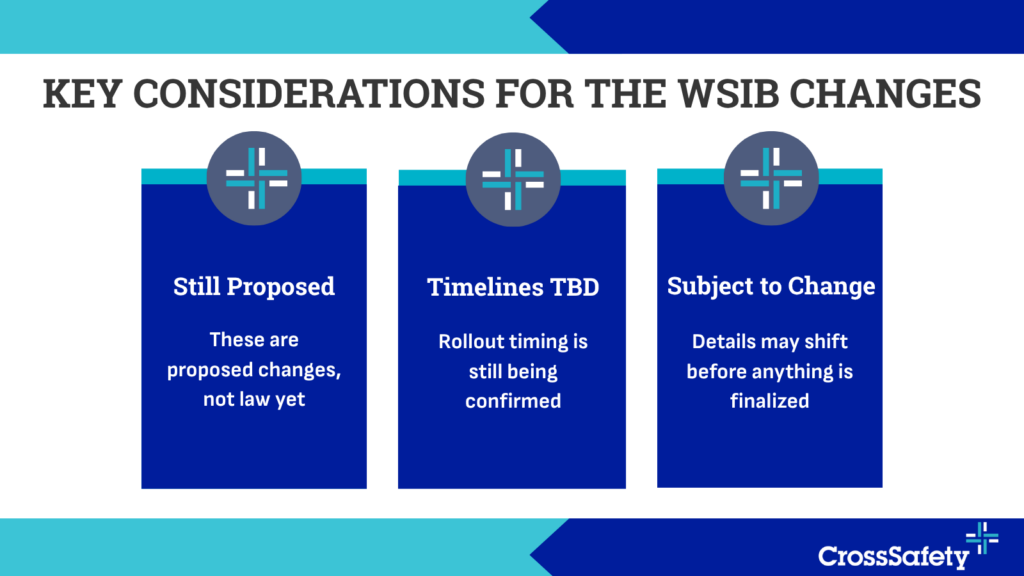
This is an updated program still working its way through approval, so a few things are worth keeping straight:
- These are proposed changes, not law yet
- Timelines for putting them in place are still being confirmed
- Details may shift before anything is finalized
None of this is a reason to wait and see for employers who care about occupational health and safety. The direction is set. More support, for longer. Getting ahead of it now beats reacting later.
What You Should Do Next
If you want to understand how these proposed WSIB changes could affect you or your business, read the full announcement from the Ontario government for the latest details.
Staying informed is how you know what support may be available before your situation changes.
Get Ahead of Rising Injury Costs

The cheapest workplace injury is the one that never happens. As WSIB benefits climb, so does the cost of every claim, and the employers who stay ahead are the ones who invest in prevention before an incident forces the issue. Keep your training current, hold the field to the standard your policies set on paper, and treat every near miss as a warning worth acting on.
That work is what CrossSafety does every day. We help Ontario employers lower their injury risk, and the cost that comes with it, through a few core services:
- COR, ISO 45001, WSIB & Regulatory Compliance support to keep your program aligned with what the board expects
- Safety Audits & Gap Assessments to find the exposures before they turn into a claim
- HSE Management & Safety Staffing to put experienced people on your site and keep controls in place
- Workplace Safety Training & Learning Programs that build the competency behind every safe procedure
When you want an objective look at where your program stands, contact us and let’s close the gaps together.
FAQs
Not yet. These are proposed updates from the Ontario government and may change before they are finalized.
The proposal would raise benefits to 90% of pre-injury earnings, up from the current lower rate.
That is the proposal. It would remove the current limit that cuts off support for workers injured later in their careers.
WSIB is funded by employer premiums, so higher benefits could put upward pressure on what businesses pay. The board has not confirmed the funding details, so the exact effect on WSIB premiums is still unknown.
Keep your safety program current and your WSIB coverage in order, and make sure your team knows its reporting duties and has a clear path to a healthcare provider when a workplace injury happens. Strong prevention is the best hedge against rising costs, and a resource like the CrossSafety BlueBook helps keep Ontario workplace requirements straight.
Latest News & Insights
Focus & Insights
What Are Compliance Audits and How Do They Work?
Focus & Insights
Ergonomic Assessment: When Should One Be Conducted?
Focus & Insights
WSIB Changes: What You Need To Know About Proposed Benefit Increases