
Focus & Insights

What Are Compliance Audits and How Do They Work?
Compliance audits help organizations determine whether their health and safety programs, records and workplace practices align with applicable requirements.
In a regulated workplace, it is not enough to have policies on file. Employers also need to show that those policies reflect the work, that employees understand their responsibilities and that required controls are being used consistently.
A compliance audit brings those pieces together. It compares what should be happening with what is happening in practice, identifies gaps and gives leadership a clearer basis for corrective action.
What Do Compliance Audits Review?
The scope of an audit depends on the workplace, industry and jurisdiction.
An auditor may compare your current program with:
- Occupational health and safety legislation
- Regulations that apply to specific work
- Corporate policies and standards
- Client or contractual requirements
- Certification criteria
- Previous audit or inspection commitments
The review may include policies, hazard assessments, training records, inspections, incident investigations, emergency plans, contractor files and corrective action logs.
However, compliance audits should not stop at document review.
A procedure may meet a written requirement but still fail in practice. For example, an inspection policy may require supervisors to complete weekly checks. The auditor also needs to confirm that the inspections occur, that hazards are recorded, and that someone follows up.
How Does a Compliance Audit Work?
A practical audit usually follows four stages.
1. Define the audit criteria
The first step is to identify the requirements against which the workplace will be reviewed.
This matters because legal duties differ by jurisdiction, sector and type of work. A generic checklist may overlook requirements that apply to a particular site, process or employer.
The audit scope should clearly identify:
- The locations and operations included
- The applicable requirements
- The period being reviewed
- Any activities or programs excluded from the assessment
Clear criteria reduce uncertainty and make the findings easier to understand.
2. Gather evidence
Auditors generally use three types of evidence:
- Documents and records
- Interviews
- Workplace observations
Each source provides a different part of the picture. A training certificate may show that an employee attended a course. An interview can test whether the employee understands the requirements. Observation can show whether that knowledge is being applied during the work. Strong findings are usually supported by more than one source.
3. Identify and prioritize gaps
Not every compliance gap carries the same level of risk.
A missing signature is different from an uncontrolled high-risk hazard. An outdated form is different from a program that repeatedly identifies hazards but does not correct them.
Findings may be prioritized based on:
- Potential severity
- Likelihood of harm
- Number of workers exposed
- Frequency of exposure
- Legal or contractual significance
- Whether the gap is isolated or widespread
- Whether the issue has been identified before
This allows leadership to address immediate risks first while planning longer-term system improvements.
4. Build a corrective action plan
The audit report should explain what was found, why it matters and what needs to happen next.
Each corrective action should identify:
- The required change
- The person responsible
- The completion date
- Any interim controls
- The evidence required for close-out
- Who will verify effectiveness
A vague action such as “review the procedure” can easily lose momentum. A stronger action names the owner, the specific update required, and how completion will be confirmed.
What Can a Compliance Audit Reveal?
Some findings are straightforward, such as missing records or expired training. Others point to larger system weaknesses.
An audit may reveal that:
- Procedures no longer match current equipment or work methods
- Supervisors apply the same requirement differently
- Workers rely on unofficial shortcuts
- Contractor responsibilities are unclear
- Corrective actions remain open without ownership
- Training is documented, but competency is not verified
- Safety controls weaken when schedules or production pressures increase
These findings are important because a program can look complete on paper while operating very differently in the field.
Quick FAQ
No. An inspection usually focuses on current conditions and hazards in a particular work area. A compliance audit takes a broader view and examines whether policies, responsibilities, records, controls and workplace practices align with defined requirements.
The frequency depends on your legal obligations, risk level, certification requirements and rate of operational change. Audits may be scheduled annually, after major changes or incidents, before certification, or when recurring deficiencies suggest that the current system needs a closer review.
Yes. Internal audits can be effective when reviewers have suitable knowledge, time, and independence from the activities being assessed. External support can add objectivity, specialized expertise, or capacity when the organization is preparing for certification, managing several locations, or responding to significant compliance concerns.
Take Action
Compliance audits can help you identify where written requirements and workplace practices have drifted apart, prioritize the most significant gaps and create a practical improvement plan.
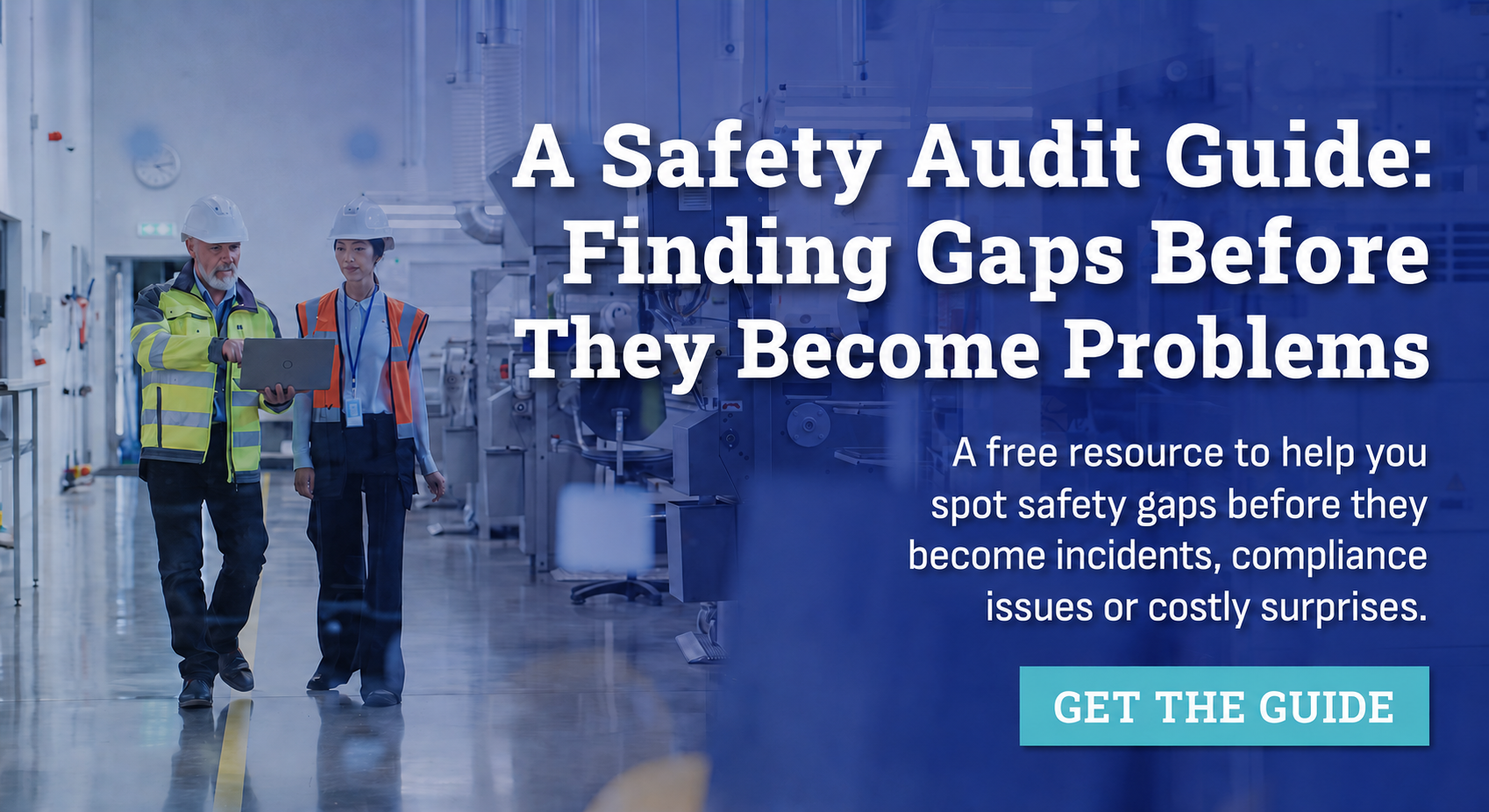
Learn more about safety audits and gap assessments by reading our free resource: A Safety Audit Guide: Finding Gaps Before They Become Problems
Learn more about our Safety Audits and Gap Assessments and how an objective review can support compliance, strengthen your safety system and give leadership a clearer path forward.
Latest News & Insights
Deeper Dives
Uncategorized
Occupational Hygiene: A Practical Guide to Identifying and Controlling Workplace Health Hazards
Focus & Insights
Workplace Noise Assessment and When You Need One
Focus & Insights
Silica Exposure and How to Control the Risk