

Focus & Insights
Silica Exposure and How to Control the Risk
Silica exposure happens when you breathe fine crystalline silica dust released during work with materials such as concrete, stone, brick, and mortar. Cutting, drilling, grinding, and other dusty tasks can put this material into the air, creating a health hazard that is difficult to judge by sight alone.
Understanding where the dust comes from is the first step. The next is determining whether workers are being adequately protected.
What Is Silica Exposure and Why Is It a Concern?
Silica exposure occurs when respirable crystalline silica becomes airborne and is inhaled into the lungs. Repeated exposure can cause silicosis, an incurable lung disease, and is also associated with other serious respiratory health effects. Controlling the dust at its source is therefore a key part of protecting workers.
Which Tasks Can Create Silica Exposure?
Crystalline silica is found in many materials used in construction and industrial work.
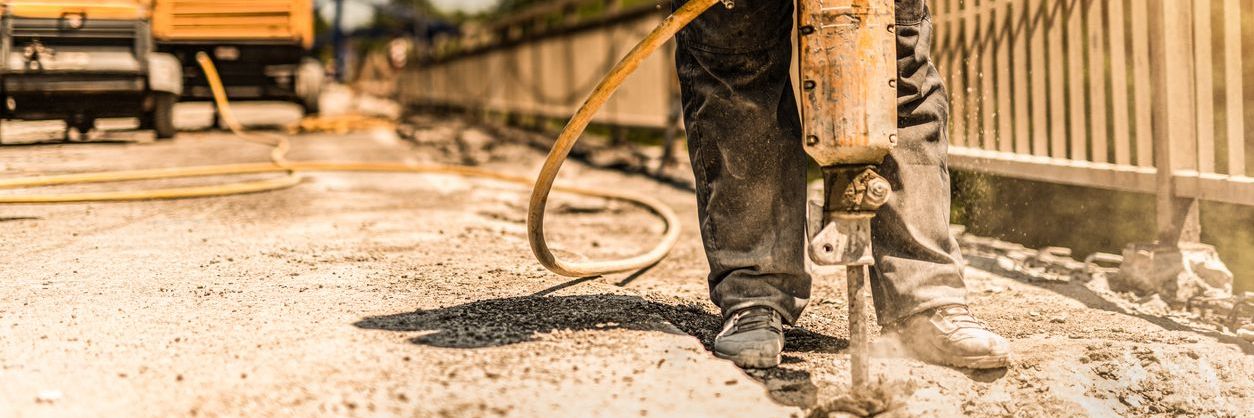
Tasks that can release respirable silica dust include cutting, sawing, drilling, grinding, jackhammering, sanding, and demolishing silica-containing materials. Workers performing housekeeping or working close to the task can also be exposed if dust becomes airborne.
The amount of visible dust does not tell you exactly how much respirable silica a worker is breathing.
How Is Silica Exposure Assessed?
Exposure monitoring can help determine the concentration of respirable crystalline silica in a worker’s breathing zone.
Personal air sampling collects air near the worker while normal tasks are performed. Results can then be compared with the occupational exposure criteria that apply to the workplace.
Our occupational hygiene services include specialized silica exposure monitoring and control-plan support for construction, manufacturing, and other operations.
How Can Silica Dust Exposure Be Controlled?
Controls should focus on reducing the amount of dust that reaches workers.
Depending on the task, this can include changing the process, using wet methods, capturing dust with local exhaust ventilation, using HEPA-filtered cleaning equipment, and following appropriate work practices. Respiratory protection can also be required when other measures do not adequately control exposure.
The important point is that controls should match the task and the level of risk rather than relying on dust masks as the first response.
Control the Dust Before It Reaches the Worker
Silica is common. Harmful exposure does not have to be.
Identify which tasks create respirable dust, understand the exposure, and use controls that reduce it as close to the source as practical.
Take Action
If your work creates silica dust, start by understanding where exposure occurs and whether existing controls are doing their job.
Learn more about workplace hazards and occupational hygiene in construction and industrial settings by reading our free resource, Occupational Hygiene: A Practical Guide to Identifying and Controlling Workplace Health Hazards
If you need help assessing silica or other workplace exposures, learn more about our occupational and industrial hygiene services.
For a specific workplace concern, talk to an expert about the next practical step.
Quick FAQ
Respirable crystalline silica is the very fine fraction of silica-containing dust that can be breathed deep into the lungs. It can be generated when materials such as concrete, brick, stone or mortar are cut, drilled, ground or otherwise disturbed.
No. Visible dust can signal that better controls are needed, but appearance alone does not measure a worker’s exposure. Personal air sampling can provide information about the concentration of respirable silica in the worker’s breathing zone.
Respirators can form part of silica protection, but exposure control should also consider measures that reduce dust at its source. These can include wet methods, ventilation, process changes, and appropriate housekeeping. Respirator selection should reflect the hazard and exposure conditions.
Latest News & Insights
Deeper Dives
Uncategorized
Occupational Hygiene: A Practical Guide to Identifying and Controlling Workplace Health Hazards
Focus & Insights
Workplace Noise Assessment and When You Need One
Focus & Insights
Silica Exposure and How to Control the Risk