
Focus & Insights
What Is a Workplace Exposure Assessment?
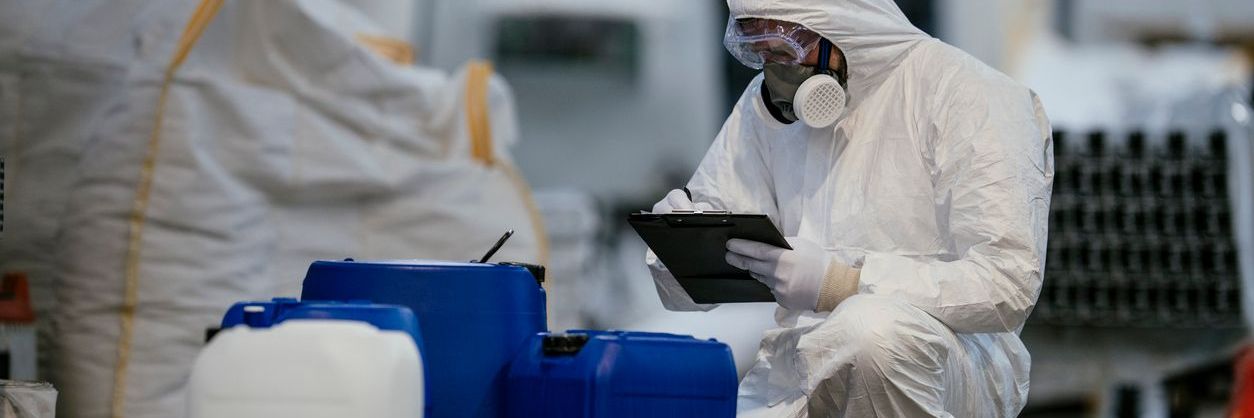
A workplace exposure assessment helps determine whether you are being exposed to harmful substances or conditions while doing your job. It replaces assumptions about dust, fumes, chemicals or other hazards with information about what is present, how exposure occurs, and whether existing controls are doing enough to protect you.
Exposure is not always obvious. You can breathe fine dust without seeing a cloud, work around vapours without knowing their concentration, or use a hazardous product without knowing your actual level of contact.
A workplace exposure assessment identifies a health hazard, determines how workers can come into contact with it and, where needed, measures the level of exposure. The results are compared with applicable occupational exposure limits or other criteria and used to determine whether controls should be improved.
Why Is Workplace Exposure Monitoring Needed?
An SDS can tell you that a product presents a hazard. It cannot tell you how much of that substance you breathe during your normal work.
Exposure monitoring can help answer that question.
An assessment can be useful when work involves substances such as silica, welding fumes, solvents, isocyanates or other airborne contaminants. It can also establish baseline information when a new material, process or facility is introduced.
How Is Worker Exposure Assessed?
The method depends on the hazard and the work.
For airborne contaminants, personal sampling can measure what is present near your breathing zone while you perform the task. Area sampling can help assess conditions in a particular location. Samples can then be analyzed and the results compared with relevant exposure limits.
The assessment should also consider how the work is performed, how long exposure lasts, and what controls are already in place.
What Happens After an Exposure Assessment?
Measurement is useful because it leads to action.
If results identify a concern, the next step is to determine how exposure can be reduced. That could include changing a material or process, improving ventilation, isolating the source, changing work practices, or selecting appropriate protective equipment.
Follow-up monitoring can then help determine whether those controls are working as intended.
Know What You Are Working With
A workplace health hazard does not have to be visible to matter. Good exposure information helps workers and employers understand the risk and make better decisions about controlling it.
Take Action
If there is uncertainty about what workers are being exposed to, measurement can replace guesswork with useful information.
Learn more about our occupational and industrial hygiene services for exposure assessment, monitoring and control support.
Learn more about workplace hazards and occupational hygiene in construction and industrial settings by reading our free resource: Occupational Hygiene: A Practical Guide to Identifying and Controlling Workplace Health Hazards
If you have a specific workplace exposure concern, talk to an expert about the next practical step.
Quick FAQ
Assessments can address airborne chemicals, dusts, fumes and biological contaminants. Other occupational hygiene assessments can evaluate hazards such as noise, vibration, heat and skin exposure. The method used should match the hazard and the question the assessment needs to answer.
Personal sampling measures contaminants close to a worker’s breathing zone while they perform normal work. Area sampling measures conditions at a fixed location. Personal sampling is useful for understanding individual exposure, while area sampling can help identify sources or characterize conditions within a work area.
Repeat monitoring can be appropriate when materials, equipment, production levels, controls or work practices change. It can also be useful after new controls are introduced to determine whether they have reduced exposure. Applicable regulatory requirements can also affect how and when monitoring needs to be conducted.
Latest News & Insights
Deeper Dives
Uncategorized
Occupational Hygiene: A Practical Guide to Identifying and Controlling Workplace Health Hazards
Focus & Insights
Workplace Noise Assessment and When You Need One
Focus & Insights
Silica Exposure and How to Control the Risk