Focus & Insights

Safety Compliance Construction Audit Guide
Safety compliance construction audits help you confirm that the controls described in project plans are working where the work takes place. This matters because crews, equipment, contractors, access routes, and job tasks can change throughout a project.
A construction safety audit is a structured review of site conditions, work practices, records and responsibilities. It helps identify gaps between what the safety program requires and what workers are doing in the field.
How Do Safety Audits Support Construction Compliance?
Safety audits support construction compliance by comparing written requirements with current site conditions and work practices. A useful audit checks whether hazards are being reassessed, workers understand their responsibilities, contractors are coordinating their activities, and corrective actions are reducing risk as the project changes.
Compare the Safety Program With Current Work
A policy can look complete on paper while missing what is happening on site. During an audit, review the work being performed now rather than relying only on documents prepared during project planning.
Check whether:
- Hazard assessments match the task and location
- Training fits the equipment and work assigned
- Workers understand the required controls
- Supervisors are directing work and correcting unsafe practices
- Inspections identify meaningful issues
- Changes in sequencing trigger another hazard review
Strong safety compliance in construction depends on keeping procedures connected to changing site conditions.
Review How Contractors Coordinate Safety Responsibilities
Construction projects often involve several employers and subcontractors working in the same area. An audit should examine both individual contractor programs and the way contractors coordinate their work.
Review orientations, supervision, communication, incident reporting and controls for high-risk activities. Workers should know who is directing the work, how hazards are reported and what happens when one contractor’s activities affect another crew.
Responsibilities vary by province and project structure. In Ontario, the constructor generally has overall authority for health and safety on the project, while employers, supervisors and workers also have defined duties.
Track Construction Audit Findings to Completion
Finding a problem is only the first step. Effective safety compliance construction audits also confirm that corrective actions are completed and working.
Prioritize immediate hazards first. Assign one accountable person to each action and set a deadline based on risk. When a permanent correction takes time, document suitable interim controls and monitor them.
Finally, return to the work area. Closing an item in a tracking system does not confirm that the hazard has been controlled.
Keep the Audit Connected to the Job
A construction audit should reflect the project as it exists today. When the audit follows the work, clarifies responsibilities and verifies corrections, it becomes a practical tool for protecting workers and maintaining compliance.
Take Action
Use construction safety audits to identify changing hazards and confirm that controls still work in the field.
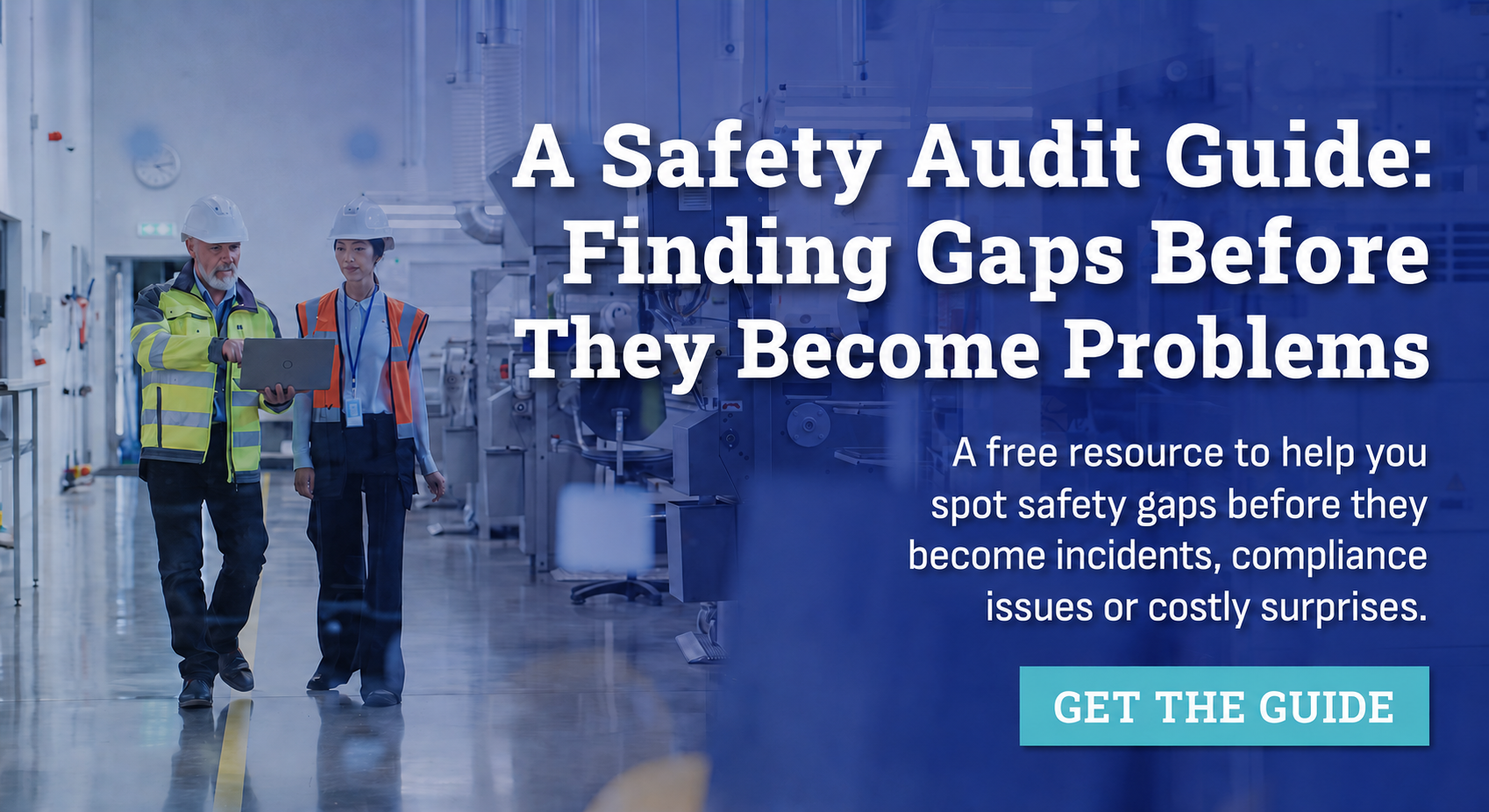
Learn more about safety audits and gap assessments by reading our free resource: A Safety Audit Guide: Finding Gaps Before They Become Problems
Learn more about our safety audits and gap assessment services.
Talk to an expert about planning or improving your construction audit process.
Quick FAQ
The schedule should reflect project risk, duration and the pace of change. Additional audits can be useful after major scope changes, new contractors, incidents, repeated inspection findings or the introduction of new equipment and high-risk work.
No. An inspection usually focuses on current physical conditions and work practices. An audit looks more broadly at whether the safety management system, responsibilities, records, training and field activities work together effectively.
The audit team can include supervisors, workers, project managers, health and safety staff and qualified external auditors. Involving people who understand both the written program and the work being performed helps produce more useful findings.
Latest News & Insights
Deeper Dives
Uncategorized
Occupational Hygiene: A Practical Guide to Identifying and Controlling Workplace Health Hazards
Focus & Insights
Workplace Noise Assessment and When You Need One
Focus & Insights
Silica Exposure and How to Control the Risk