Focus & Insights
Workplace Ergonomics Assessment: What Employers Should Know
Learn what a Workplace Ergonomics Assessment includes and how it helps reduce strain, support compliance, and prevent musculoskeletal injuries.
A Workplace Ergonomics Assessment is a practical review of how work is done, where strain shows up, and what can be changed to reduce injury risk.
In construction, manufacturing, industrial, and public-sector workplaces, this is not about fancy chairs or perfect posture posters. It is about fitting the task, tools, layout, and pace of work to the people doing the job.
Ergonomics means designing work so physical demands are safer and more sustainable. When done well, it helps reduce musculoskeletal disorders, also called MSDs. These are injuries or conditions that affect muscles, tendons, joints, nerves, and other soft tissues.
What a Workplace Ergonomics Assessment Looks At
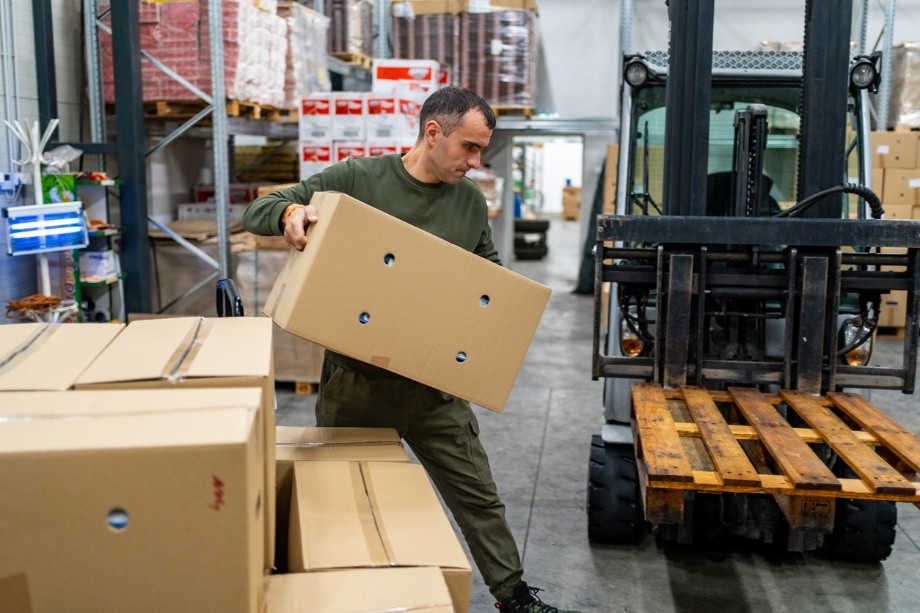
A Workplace Ergonomics Assessment reviews the real job, not just the written procedure. That means watching how workers lift, carry, reach, twist, push, pull, grip, stand, kneel, or repeat tasks throughout the day.
A good assessment may look at:
- Workstation height and layout
- Manual material handling
- Tool design and grip force
- Repetitive tasks
- Awkward postures
- Vibration, pace, and recovery time
- Worker feedback and task barriers
The goal is not to blame workers for “bad habits.” It is to find where the job design is asking too much of the body. Tiny hill, meet very annoying snowball.
Why an Ergonomic Assessment Helps Prevent Injuries
An ergonomic assessment helps employers spot early warning signs before they become claims, lost time, or difficult return-to-work cases. A worker’s sore shoulder, repeated back strain, or growing fatigue may point to a larger task-design issue.
In high-demand workplaces, small changes can make a big difference. Moving materials closer to the work area, improving lift height, changing cart design, or reducing overhead work can lower exposure without slowing operations.
This is especially important where teams are already stretched. If internal HSE capacity is limited, ergonomics support can help prioritize the highest-risk tasks and identify practical fixes.
When to Use a Workplace Ergonomics Assessment
A Workplace Ergonomics Assessment is useful when discomfort, soft-tissue injuries, modified duties, or repeated strains start showing a pattern. It is also valuable before introducing new equipment, changing a production line, redesigning a workspace, or planning physically demanding work.
Key Considerations
Requirements vary by province, industry, and employer type. Still, employers are generally expected to identify hazards, assess risk, and take reasonable steps to protect workers.
You may also need to consider:
- Whether the issue connects to return-to-work planning
- Whether a Job Demands Analysis is needed
- Whether supervisors need help recognizing early warning signs
- Whether controls are realistic for the work environment
Quick FAQ
1. Who Should Complete an Ergonomics Assessment?
It is a structured review of tasks, tools, workstations, layout, and physical job demands to identify ergonomic risk factors and recommend practical improvements.
2. Who Should Complete an Ergonomics Assessment?
A qualified ergonomics or health and safety professional should complete the assessment, especially for complex, high-risk, or recurring injury concerns.
3. Is an Ergonomics Assessment Only for Office Work?
No. Ergonomics applies to construction, manufacturing, warehousing, healthcare, public-sector, and industrial work where lifting, reaching, repetition, force, vibration, or awkward posture can create risk.
Next Steps
Workplace ergonomics should make work safer and more sustainable, not add another layer of complexity to manage. If you are trying to reduce strain, prevent repeat injuries, or build a more dependable process for assessing physical job demands across sites or teams, start by strengthening the tasks and work areas that create the most exposure.
To see how that kind of support works in practice, read A Guide to Workplace Ergonomics for Construction and Industrial Workplaces. If you want to talk through your current gaps, priorities, or internal capacity, talk to an expert.
Latest News & Insights
Deeper Dives
Uncategorized
Occupational Hygiene: A Practical Guide to Identifying and Controlling Workplace Health Hazards
Focus & Insights
Workplace Noise Assessment and When You Need One
Focus & Insights
Silica Exposure and How to Control the Risk