
A Guide to Workplace Ergonomics for Construction and Industrial Workplaces
Table of Contents
Musculoskeletal injuries rarely start with one obvious event. More often, they build slowly over time.
A worker mentions shoulder pain. A packaging task becomes tougher to staff. A return-to-work plan looks good on paper, then unravels after a few days. A supervisor notices people lifting, reaching, or bracing themselves differently. By the time a claim is filed, the problem has often been developing for weeks or even months.
That is why ergonomics matters.
In construction, manufacturing, warehousing, utilities, and public-sector workplaces, ergonomics is not about office chairs or keyboard trays. It is about shaping the job around the worker so the body takes less strain. The goal is straightforward: reduce exposure, lower risk, and prevent injuries before they happen.
Legal requirements vary by location, industry, and employer type. The day-to-day expectation is still much the same. Employers need to spot hazards, assess risk, and take reasonable steps to protect workers.
01. What Is a Workplace Ergonomics Assessment?
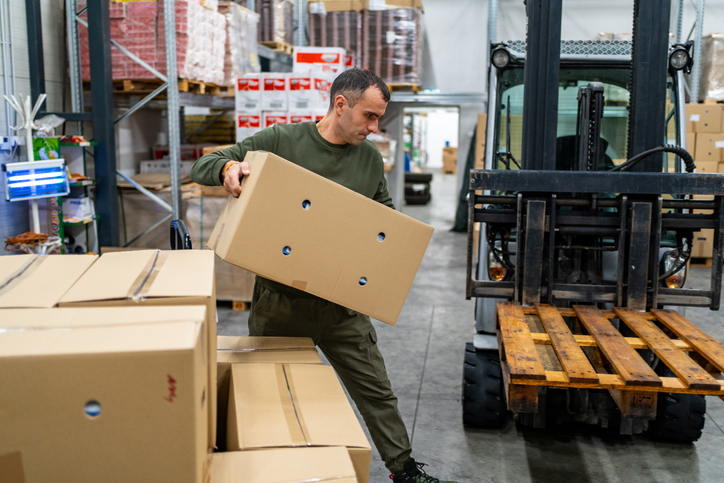
A workplace ergonomics assessment is a structured way to review tasks, tools, workstations, layout, and physical job demands. The purpose is to spot risk factors that might lead to musculoskeletal disorders. It is not about creating more paperwork. It is about finding where the job puts too much demand on the body and making practical changes to ease that demand.
A good assessment focuses on how work is done day to day, not only how it looks in a procedure manual or job description. That means looking at body position, reach distance, lifting height, pushing and pulling effort, repetition, vibration, line of sight, obstacles, and pace. Worker input matters too, because the people doing the job usually know where the strain shows up first.
02. Ergonomics and Injury Prevention
Most workplaces do not overlook ergonomic risk on purpose. More often, they recognize it after the warning signs have started to build.
Those early signs often seem minor. Workers mention discomfort. Fatigue starts to increase. Tasks take longer than they used to. Small workarounds become part of the routine. Soft-tissue complaints come up more often. Minor strains start to repeat. On a busy site or plant floor, those patterns are easy to write off as part of the job. That is often when a larger problem begins to take shape.
That is why ergonomics and injury prevention are closely linked. When employers identify high-strain tasks early, they are in a better position to prevent repetitive strain injuries, back injuries, shoulder problems, and other musculoskeletal disorders before they turn into claims, lost time, or accommodation plans that do not hold up.
03. Ergonomic Hazards in Manufacturing
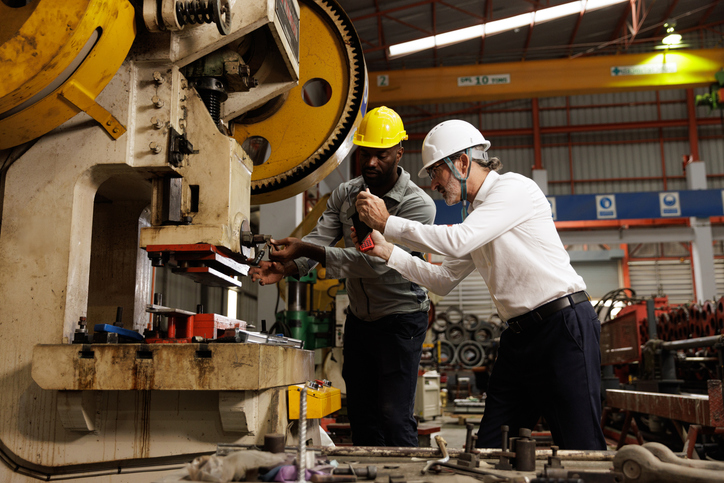
Manufacturing environments often combine several ergonomic risk factors at once. Repetition, force, awkward posture, sustained standing, poor reach zones, conveyor pace, and poorly positioned materials can all create strain over time. Because these tasks are built into daily operations, teams can stop seeing how much physical demand they create.
Common ergonomic hazards in manufacturing include repetitive assembly, forceful gripping, lifting or repositioning parts, work done below knee height or above shoulder height, and stations that require workers to twist, bend, or reach too often. Even small workstation or layout changes can reduce exposure in a meaningful way when the same task is repeated hundreds of times per shift.
04. Manual Material Handling Risks
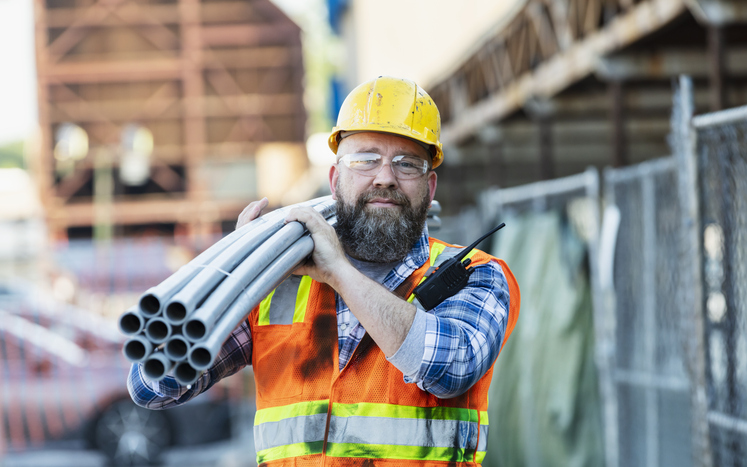
In construction, manufacturing, logistics, utilities, and municipal work, manual handling is often one of the biggest ergonomic risks. It is also an area where people rely too much on toughness instead of job design.
Toughness does not reduce risk.
Loads become a problem for familiar reasons. They are too heavy, too bulky, too slippery, too unstable, or stored too high or too low. Workers carry them too far. They twist while lifting and repeat the same handling motions throughout the shift. They move through spaces that are tight, uneven, or poorly lit.
A useful response starts with better questions:
- Can the load be lighter?
- Can it be divided into smaller units?
- Can it be placed closer to where it will be used?
- Can the storage height be improved?
- Can mechanical help be added?
- Can the route be cleared, shortened, or levelled?
- Can the work be arranged so lifting does not happen after fatigue sets in?
- Can the packaging or container improve grip and visibility?
On construction sites, small layout changes often have a big effect. Moving materials closer to where they will be installed cuts down on repeated handling. In industrial settings, better cart design or improved parts presentation height reduces force, awkward posture, and wasted motion at the same time.
05. Repetitive Strain Injury Prevention
Repetitive strain injury prevention starts with identifying the tasks that require the same motion, grip, reach, or posture over and over again without enough recovery time. These risks are common in manufacturing, warehousing, office work, patient handling, scanning, tool use, and packaging tasks.
The fix is rarely one thing. Reducing repetitive strain often means changing task design, improving workstation layout, adjusting work height, introducing better tools, reducing unnecessary force, and giving workers enough variation or recovery in the day. Training helps, but prevention works best when the task itself is improved rather than simply asking workers to tolerate it longer.
06. Workstation Design Best Practices
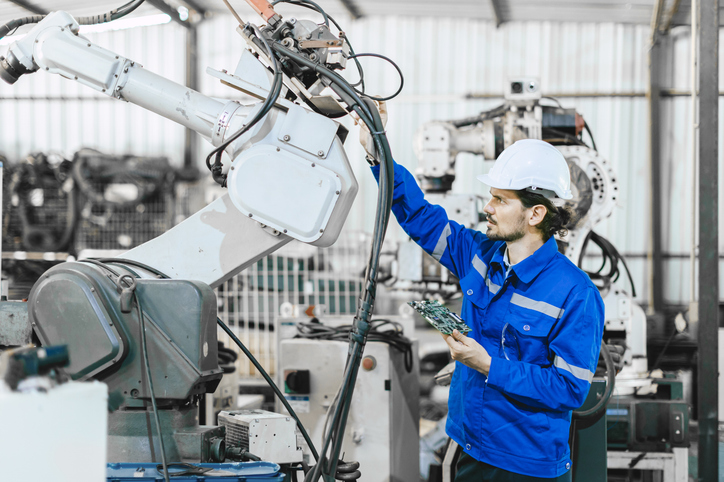
When people hear ergonomics, many think about desk assessments. In construction and industrial settings, larger gains often come from job and layout design.
Look at the work area and ask one question: does the setup force awkward movement that should have been designed out?
Maybe materials sit below knee height, so workers bend hundreds of times per shift. Maybe a tool demands high grip force because the handle does not fit the task. Maybe maintenance work requires reaching around guards or working in a cramped space because access was never planned well. Maybe a repetitive task is only possible with the neck turned and the shoulder raised for hours.
Good workstation design usually comes back to the same basics:
- Better work height
- Better reach distance
- Better access
- Better tool selection
- Better workflow
- Better sequencing
Safety and operations need to work together here. Safety teams help spot the exposure. Operations teams help shape a fix that still works in the real world. If the change slows production too much, workers will bypass it. If the change reduces strain and supports the flow of work, adoption gets easier.
07. Job Demands Analysis (JDA) Explained
One of the most overlooked gaps in ergonomics is the gap between a job description and the real job.
A posting might say a worker must lift 25 pounds occasionally. That says little about the real demand. How often does the lift happen? From what height? With what grip? In what posture? Over what distance? On what kind of surface? At what pace?
That is why Job Demands Analysis matters.
A strong JDA documents the physical and cognitive demands needed to perform a job safely and effectively. It replaces assumptions with observable facts. Those details support pre-placement review, accommodation, job redesign, return-to-work planning, and due diligence.
08. Return-to-Work Ergonomics

Return-to-work ergonomics becomes important when modified duties do not match the true demands of the role, or when the original ergonomic issue remains in place. A worker returns to the same force, the same posture, and the same repetition. Then the problem comes back.
That is not bad luck. That is unfinished work.
Return-to-work support works better when employers understand the actual physical demands of the role and whether those demands can be reduced, modified, or reassigned safely. Ergonomics and JDA work help bring clarity to that process and make accommodation more sustainable.
09. Building an Ergonomics Program
Strong ergonomics programs do not sit off to the side. They are part of the safety system.
That means ergonomic hazards show up in inspections, incident reviews, change management, equipment selection, and worker reporting. Supervisors know what early warning signs sound like and take them seriously. Safety committees and worker representatives are involved where needed. Training covers more than posture tips. It includes hazard recognition, task-specific risk factors, and reporting expectations.
It also means ergonomics connects with related functions:
- Industrial hygiene
- Incident investigation
- Disability management
- Safety training
- Workplace design
This matters because ergonomic improvements last longer when they are treated as part of risk management, not as a one-time project.
A well-run workplace ergonomics program supports safer work, clearer decision-making, and more sustainable operations over time.
10. Office Ergonomics Assessments
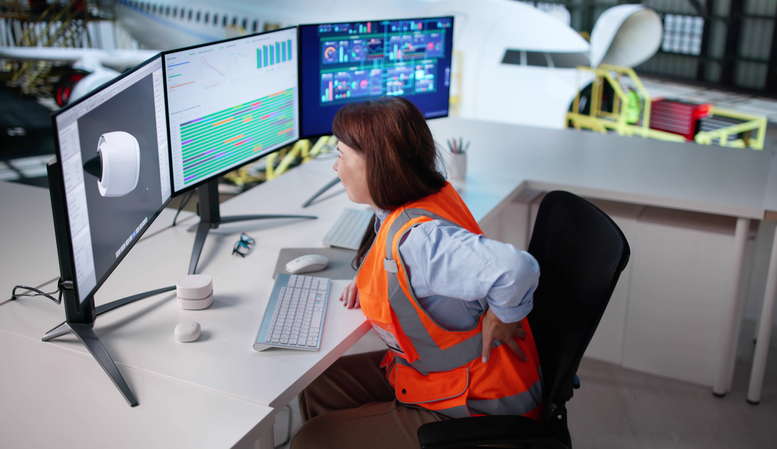
Office ergonomics assessments are still worth including, even in a construction and industrial article, because many organizations also support supervisors, coordinators, planners, engineers, and hybrid staff. Poor monitor height, awkward keyboard positioning, unsupported seating, and long periods of static posture can all contribute to discomfort and strain.
An office ergonomics assessment looks at desk setup, chair adjustment, monitor position, keyboard and mouse placement, posture, lighting, and workstation layout. The goal is not to create a perfect desk photo for the internet. It is to reduce unnecessary strain and make the setup workable for the person using it every day.
11. Ergonomics in Warehousing
Warehousing work combines high-frequency movement with lifting, carrying, scanning, pushing, pulling, reaching, and repetitive handling. That mix can create significant ergonomic exposure, especially when production pace is high and layout decisions were made for storage density rather than ease of movement.
Ergonomics in warehousing often comes down to travel distance, pick height, cart design, load stability, scanning position, and how often workers need to twist, bend, or reach. Small changes to slotting, storage height, cart design, or materials flow can reduce strain while also making the work more efficient.
12. Ergonomics in Construction
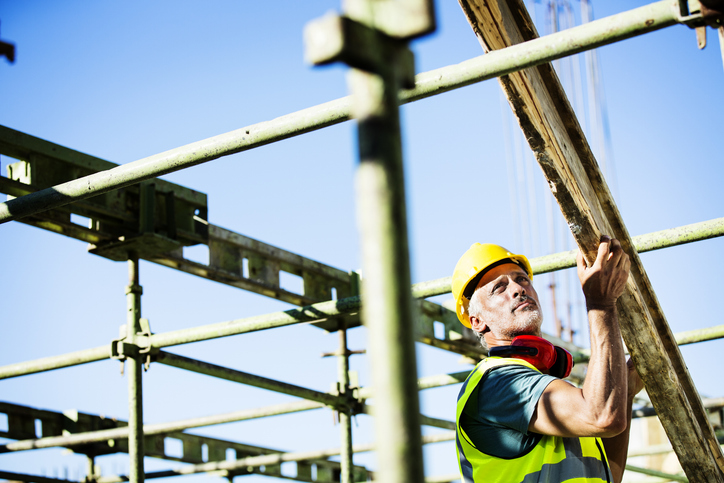
Ergonomics in construction is shaped by movement, variation, and site conditions. Workers lift and carry materials, work overhead, kneel, climb, push equipment, and handle tools in spaces that are often uneven, temporary, or weather-exposed. That creates a different kind of risk than a fixed industrial workstation.
The best construction ergonomics controls are usually practical ones: better staging, shorter carry distances, mechanical assists, improved access, better sequencing, and tools that match the task. A well-planned site reduces repeated handling and awkward movement before the work even starts.
13. Ergonomics in Healthcare
Healthcare work brings its own set of ergonomic challenges. Patient handling, repositioning, transfers, extended standing, awkward reaches, and fast-paced care environments can all increase musculoskeletal strain. The physical load is often combined with urgency, limited space, and tasks that are difficult to predict.
Ergonomics in healthcare focuses on safer patient handling practices, better equipment use, improved layout, and task design that reduces unnecessary force and awkward posture. The goal is to support both worker safety and continuity of care without creating more friction in an already demanding environment.
14. What You Can Do This Week to Improve Workplace Ergonomics
- Review strain, sprain, soft-tissue, and repetitive-use incidents from the past year.
- Ask supervisors which tasks workers complain about most.
- Watch one high-frequency manual handling task from start to finish.
- Note where loads are too heavy, too far, too low, too high, or too awkward.
- Check whether materials are staged close to where workers need them.
- Look for overhead reaching, twisting, kneeling, sustained grip, and vibration.
- Ask workers which tools or carts are hardest on the body.
- Identify one workstation or task area where better height, reach, or layout would help.
- Review current modified-duty cases for unresolved job-demand issues.
- Assign ownership for follow-up and set a review date for fixes.
Quick FAQ
What Is a Workplace Ergonomics Assessment?
It is a structured review of tasks, tools, workstations, and layout to identify risk factors such as force, repetition, awkward posture, vibration, and poor material flow. The result is a set of practical recommendations.
Are Ergonomic Hazards a Real Issue in Construction?
Yes. Construction work often involves lifting, carrying, kneeling, overhead work, awkward access, and changing site conditions. All of those increase musculoskeletal risk.
Do Employers Need a Formal Ergonomics Program?
Requirements vary by jurisdiction and industry. Still, employers are generally expected to identify hazards and protect workers. A formal process improves consistency and supports due diligence.
When Should a Job Demands Analysis Be Done?
A JDA is useful for return-to-work planning, accommodation, pre-placement review, job redesign, and any situation where the physical demands of a role need to be documented clearly.
Does Ergonomics Improve Productivity Too?
Yes. Better layout, better reach, improved material flow, and better tool selection often reduce wasted motion, fatigue, and handling time while lowering injury exposure.
Next Steps
Ergonomics in the workplace should make work safer and more sustainable, not add another layer of complexity to manage. If you are trying to reduce strain, prevent repeat injuries, or build a more dependable system for assessing physical job demands across roles, sites, or teams, start by improving the parts of the job that create the most exposure.
To see how that kind of support works in practice, find out more about our services.
If you want to talk through your current gaps, priorities, or internal capacity, Talk to an Expert.
CrossSafety’s team supports organizations across North America with consulting, workplace safety solutions, and training designed for complex, high-risk environments.
Additional Reading
- What Is a Workplace Ergonomics Assessment?
- What Is a Job Demands Analysis (JDA)?
- Office Ergonomics Assessments for Hybrid and Remote Work
- How Ergonomics Reduces Workplace Injuries and MSD Claims
- Top Ergonomic Hazards in Warehousing, Manufacturing and Industrial Workplaces
- Top Ergonomic Hazards in Construction
- When Should an Ergonomics Assessment Be Conducted?