Services & Sectors
Workplace Ergonomics Consulting, Assessments & Programs
Reduce or prevent musculoskeletal injuries, improve productivity, and protect your workforce with science-based ergonomics programs designed for real-world operations.
Overview
Musculoskeletal disorders (MSDs) are one of the most common and costly workplace injuries across North America. They account for a significant percentage of lost-time claims in construction, manufacturing, healthcare, logistics, retail, and office environments.
The majority of these injuries are preventable.
Ergonomic assessments help organizations identify and control workplace risk factors such as repetitive motion, manual material handling, awkward posture, and workstation design issues before they result in injury.
CrossSafety’s Workplace Ergonomics Consulting Services and Ergonomics Assessments help organizations identify, evaluate, and control ergonomic risk factors before they result in injuries, lost productivity, or regulatory exposure.
Our certified ergonomists and safety professionals work directly with leadership teams, supervisors, and workers to assess physical job demands, design safer work processes, and implement practical controls that reduce risk without disrupting operations.
Whether your organization needs a single workstation assessment, a full ergonomic program, or support following an injury, CrossSafety delivers practical solutions grounded in ergonomics science and aligned with occupational health and safety requirements across Canada and the United States.
CrossSafety provides workplace ergonomics consulting services across Canada and the United States for organizations in construction, manufacturing, logistics, healthcare, retail, and office environments.
The Problem
Many organizations underestimate ergonomic risk until injuries begin to accumulate.
Common warning signs include:
- Recurring musculoskeletal injuries or soft-tissue claims
- Workers reporting discomfort, fatigue, or repetitive strain
- Tasks requiring excessive lifting, force, or awkward postures
- Workstations or equipment designed without human factors considerations
- Return-to-work programs that repeatedly fail due to unresolved job demands
- Safety programs focused on incidents rather than injury prevention
Without proactive ergonomics management, these risks compound over time — leading to increased absenteeism, rising insurance costs, reduced productivity, and potential regulatory scrutiny.
Across industries such as manufacturing, construction, warehousing, retail, and healthcare, unmanaged ergonomic hazards are a leading cause of:
- Back injuries
- Repetitive strain injuries (RSIs)
- Shoulder and neck disorders
- Tendonitis and carpal tunnel syndrome
Addressing these risks early protects both workers and business performance.
The Solution
CrossSafety provides a full spectrum of ergonomics consulting services designed to identify workplace risk factors and implement practical solutions that reduce injury and improve efficiency.
Ergonomic Risk Assessments
Comprehensive evaluations of job tasks, workstations, tools, and work environments using validated ergonomic assessment methodologies and industry-recognized evaluation techniques.
Each assessment quantifies exposure to key musculoskeletal disorder (MSD) risk factors including:
- Excessive force
- Repetitive motion
- Awkward or sustained postures
- Contact stress
- Vibration
Our ergonomists prioritize findings by severity and deliver a structured report outlining practical engineering, administrative, and procedural controls to reduce risk.
Assessments can be conducted for work situations like:
- Manufacturing workstations
- Construction tasks and manual material handling
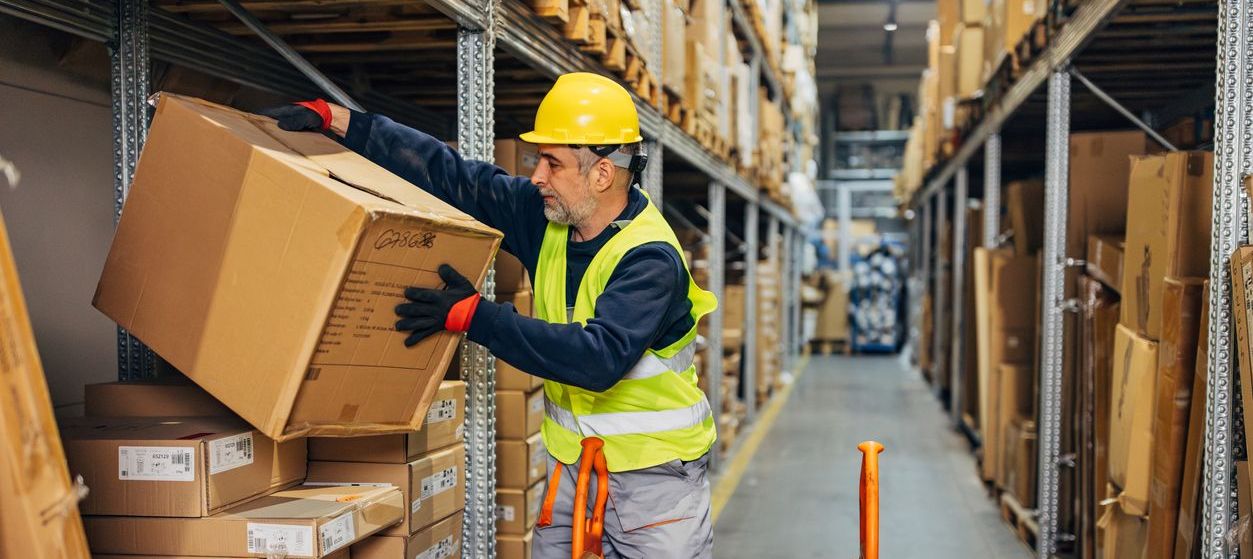
- Warehouse and logistics operations
- Office and hybrid work environments
- Healthcare and patient handling roles
Workstation & Job Design Analysis
Detailed evaluation of work processes, equipment, and layouts to identify ergonomic stressors and redesign tasks for improved safety and efficiency.
This analysis may include:
- Workstation redesign recommendations
- Tool and equipment selection guidance
- Work height and reach optimization
- Workflow improvements
- Material handling modifications
By improving how work is performed, organizations often see improvements in both injury prevention and operational productivity.
Job Demands Analysis (JDA)
A Job Demands Analysis documents the physical and cognitive requirements necessary to perform a job safely and effectively.
Each JDA includes:
Physical Demands Description (PDD)
Documenting lifting requirements, postures, repetition, forces, and environmental conditions.
Cognitive Demands Assessment
Evaluating attention, decision-making, sensory demands, and time pressure associated with the role.
JDAs are developed through direct observation, worker interviews, and standardized measurement techniques to produce defensible job profiles that support:
- Pre-placement assessments
- Return-to-work planning
- Accommodation processes
- Job redesign initiatives
- Due diligence documentation
These analyses are frequently used in collaboration with HR, disability management teams, and healthcare providers.
Ergonomics Program Development & Management
CrossSafety helps organizations design and implement structured ergonomics programs aligned with occupational health and safety management systems.
Programs typically include:
- Ergonomic hazard identification processes
- Reporting and early intervention procedures
- Risk assessment frameworks
- Control implementation strategies
- Training and awareness programs
- Performance monitoring and continuous improvement
Our team can support both program development and long-term program management, ensuring ergonomics becomes embedded within your safety culture.
Training & Worker Awareness Programs
Effective ergonomics programs rely on worker engagement and awareness.
CrossSafety provides practical training for:
- Workers and supervisors
- Joint health and safety committee (JHSC) members
- Engineers and workplace designers
- Operations and safety leaders
Training topics may include:
- Body mechanics and safe work techniques
- Early symptom recognition and reporting
- Musculoskeletal disorder risk factors
- Workstation adjustment techniques
- Ergonomic hazard identification and controls
Training is available in sector-specific formats, including programs tailored for:
- Office and hybrid workplaces
- Manufacturing and assembly operations
- Construction and trades
- Healthcare and patient handling
- Warehousing and distribution
- Retail environments
Delivery formats include toolbox talks, workshops, full-day training sessions, and train-the-trainer programs delivered in person or virtually.
Return-to-Work & Accommodation Support
When ergonomic injuries occur, effective accommodation and job matching are critical for successful recovery.
CrossSafety supports employers by:
- Analyzing job demands following an injury
- Recommending modified duties or transitional work
- Assisting with return-to-work planning
- Ensuring workplace modifications support long-term recovery
These services help organizations reduce re-injury risk while supporting employees through safe and sustainable reintegration.
Office & Remote Workstation Assessments
Hybrid and remote work environments have introduced new ergonomic challenges.
CrossSafety provides both in-person and virtual workstation assessments to ensure employees working outside traditional workplaces maintain healthy work setups.
Assessments review:
- Chair and desk configuration
- Monitor height and viewing angles
- Keyboard and mouse positioning
- Posture and workstation layout
- Lighting and environmental factors
Employees receive practical recommendations along with a written assessment report.
Post-Incident Ergonomic Reviews
Following a musculoskeletal injury or near-miss incident, CrossSafety can conduct an ergonomic root cause analysis to identify contributing factors.
These reviews help organizations:
- Understand why the injury occurred
- Identify gaps in task design or controls
- Implement corrective measures
- Demonstrate due diligence in incident investigations
Recommendations focus on preventing recurrence while improving overall workplace design.
Why Choose CrossSafety
Certified Ergonomics Expertise
CrossSafety’s ergonomics professionals hold recognized credentials such as CCPE (Canadian Certified Professional Ergonomist), CPE (Certified Professional Ergonomist), or equivalent human factors qualifications, supported by extensive field experience across industrial, construction, healthcare, and office environments.
Multidisciplinary Safety Integration
Ergonomics is most effective when integrated into broader occupational health and safety systems.
CrossSafety connects ergonomics assessments with:
- industrial hygiene programs
- incident investigations
- safety training initiatives
- disability management and return-to-work programs
This integrated approach ensures ergonomic improvements are implemented and sustained over time.
North American Regulatory Alignment
Our team understands occupational health and safety expectations across Canada and the United States, including regulatory frameworks governing hazard identification, worker protection, and injury prevention.
Our assessments and documentation support compliance with applicable safety standards while helping organizations demonstrate due diligence.
Practical, Implementable Solutions
Our goal is not just to identify ergonomic risks — but to solve them.
CrossSafety prioritizes real-world controls that work on the job site, plant floor, warehouse, or office environment, ensuring improvements are practical, cost-effective, and sustainable.
Ideal For:
CrossSafety’s ergonomics services support organizations across a wide range of industries, including:
- Manufacturers with repetitive assembly or material handling tasks
- Construction employers managing physically demanding work
- Warehousing and logistics operations with high-frequency lifting and scanning tasks
- Healthcare organizations managing patient handling risks
- Office and hybrid workplaces seeking proactive workstation health programs
- Employers experiencing recurring musculoskeletal injury claims
Organizations building or strengthening their occupational health and safety management systems
FAQs
What is a workplace ergonomics assessment?
A workplace ergonomics assessment is a structured evaluation of job tasks, workstations, tools, and work environments to identify physical risk factors that can lead to musculoskeletal disorders (MSDs). These assessments analyze factors such as posture, repetition, force, vibration, and task design and provide practical, prioritized recommendations to reduce injury risk and improve workplace efficiency.
What are common ergonomic hazards in the workplace?
Common ergonomic hazards include repetitive motions, heavy or awkward lifting, poorly designed workstations, excessive force requirements, sustained or awkward postures, vibration exposure, and tools or equipment that are not suited to the worker or task. Over time, these hazards can contribute to musculoskeletal disorders affecting the back, shoulders, neck, wrists, and hands.
Are employers required to address ergonomic hazards in the workplace?
Occupational health and safety laws across Canada and the United States generally require employers to identify workplace hazards and take reasonable steps to protect workers. While not every jurisdiction has a specific ergonomics regulation, ergonomic risk factors—such as repetitive motion, forceful exertion, or manual material handling—often fall under broader workplace safety obligations.
Implementing a formal ergonomics program helps organizations demonstrate due diligence, reduce injury risk, and support compliance with applicable workplace safety expectations.
When should an ergonomics assessment be conducted?
Ergonomics assessments are typically conducted when organizations experience recurring musculoskeletal injuries, introduce new equipment or processes, redesign workstations, or seek to proactively improve worker health and productivity.
How long does an ergonomics assessment take?
The duration depends on the scope of work. A single workstation assessment may take one to two hours, while a comprehensive assessment across multiple departments or job roles may take several days. CrossSafety scopes each project based on workforce size, operational complexity, and priority risk areas.
Can ergonomics consulting help reduce injury claims?
Yes. Proactive ergonomics programs are widely recognized as one of the most effective ways to reduce musculoskeletal injuries, lost-time incidents, and related insurance or compensation costs. By identifying risk factors early and implementing practical controls, organizations can prevent many common workplace injuries before they occur.
Can CrossSafety help after a musculoskeletal injury claim?
Yes. CrossSafety can support employers following a musculoskeletal injury, repetitive strain injury, or soft-tissue claim by conducting a post-incident ergonomic review to identify contributing risk factors and recommend corrective actions.
Our team can also assist with job demands analysis, modified duty recommendations, workplace accommodation planning, and return-to-work strategies that support safe and sustainable employee reintegration.
Do you offer virtual ergonomics assessments?
Yes. For office, hybrid, or remote workers, CrossSafety offers virtual workstation assessments conducted via video call. Employees complete a short pre-assessment questionnaire and review their workstation setup with an ergonomist in real time. This approach allows organizations with distributed teams to address ergonomic risks efficiently while still providing employees with practical improvement recommendations.
How does ergonomics consulting connect with other CrossSafety services?
Ergonomics consulting is often most effective when integrated into a broader workplace health and safety strategy. CrossSafety connects ergonomic findings with related services such as industrial hygiene assessments, incident investigations, safety training programs, disability management support, and occupational health and safety program development.
This integrated approach ensures ergonomic improvements are implemented within a larger safety system rather than treated as isolated assessments.
What industries benefit most from ergonomics assessments?
Organizations across many sectors benefit from ergonomics consulting, including manufacturing, construction, warehousing and logistics, healthcare, utilities, and office-based workplaces. Any job involving repetitive tasks, manual material handling, prolonged sitting or standing, or specialized equipment can benefit from ergonomic evaluation and improvement.
All Services