
Focus & Insights
When Is Workplace Air Quality Testing Needed?
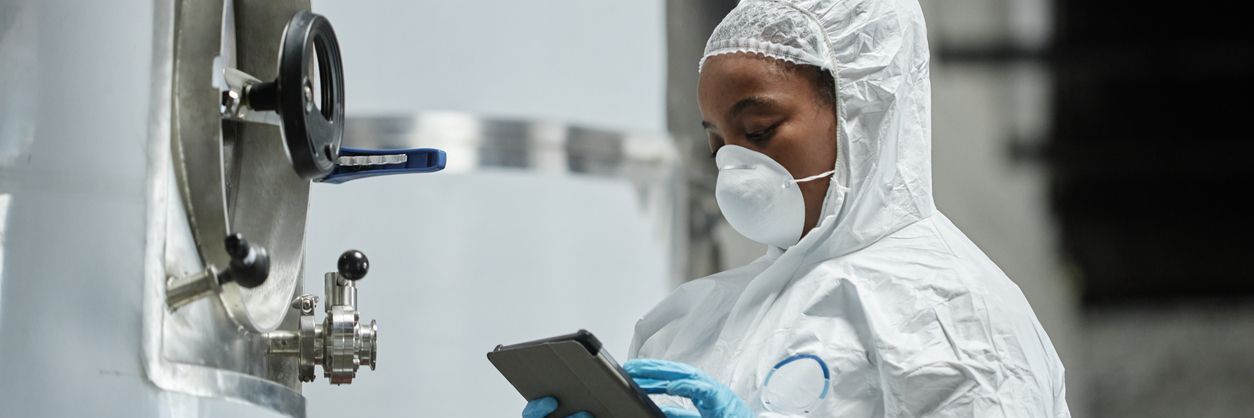
Workplace air quality testing helps determine what workers are breathing at work and whether airborne contaminants could affect their health. Dust, fumes, and vapours are not always easy to judge by sight or smell, so testing gives you information you cannot get from observation alone.
The important part is knowing what you are looking for and choosing the right type of assessment.
Workplace air quality testing is needed when there is a concern about airborne dust, fumes, vapours, chemicals, or biological contaminants and the level of exposure is unknown. Testing can establish baseline conditions, investigate a suspected exposure or help determine whether ventilation and other controls are reducing contaminants effectively. Source
What Can an Air Quality Assessment Look For?
The substances tested depend on the work being performed.
Construction work can create silica dust, asbestos fibres, welding fumes or diesel exhaust. Manufacturing processes can release solvents, metals, isocyanates and other process chemicals. Institutional workplaces can face concerns involving cleaning products, mould or biological agents.
An SDS provides valuable information about a hazardous product, but it does not tell you how much of that substance you are breathing during a specific task.
That is where occupational exposure monitoring becomes useful.
How Does Workplace Air Sampling Work?
Air sampling can be performed in different ways depending on the question being investigated.
Personal sampling collects air near a worker’s breathing zone during normal work. Area sampling measures conditions at a fixed location and can help identify contaminant sources or understand conditions within a work area.
Samples can then be analyzed by a laboratory and compared with applicable Occupational Exposure Limits, or OELs. An OEL provides a reference point for evaluating how much exposure to a workplace contaminant is permitted or recommended over a defined period.
What Happens After Air Quality Testing?
Testing should lead to a practical decision.
If results show an exposure concern, controls can include changing the material or process, improving local exhaust ventilation, isolating the source, changing work practices, or selecting appropriate respiratory protection.
Follow-up air monitoring can help confirm whether those changes reduced exposure.
Better Information Leads to Better Exposure Control
You cannot tell how much of a contaminant someone is breathing just by looking at the air. A proper air quality assessment replaces that uncertainty with measurements you can use to understand the hazard and choose suitable controls.
Take Action
If dust, fumes or vapours are part of the job, understanding the exposure is the first step toward controlling it.
Learn more about our occupational and industrial hygiene services for air sampling, exposure monitoring, and control support.
Learn more about workplace hazards and occupational hygiene in construction and industrial settings by reading our free resource: Occupational Hygiene: A Practical Guide to Identifying and Controlling Workplace Health Hazards
If you have concerns about what workers are breathing, talk to an expert about the next practical step.
Quick FAQ
Not necessarily. Indoor air quality testing often looks at general building conditions and occupant comfort. Occupational air testing focuses on contaminants created by work activities and the exposure workers receive while performing specific tasks.
No. Odour does not reliably tell you the concentration of a contaminant or whether exposure is acceptable. Some harmful substances have little noticeable smell, while others can be detected by smell at concentrations below levels of concern. Measurement provides more useful exposure information.
Repeat testing can be appropriate when materials, processes, production levels, ventilation or work practices change. It can also help verify that new controls are working. The timing should reflect the hazard, workplace conditions and any applicable regulatory monitoring requirements.
Latest News & Insights
Deeper Dives
Uncategorized
Occupational Hygiene: A Practical Guide to Identifying and Controlling Workplace Health Hazards
Focus & Insights
Workplace Noise Assessment and When You Need One
Focus & Insights
Silica Exposure and How to Control the Risk