Focus & Insights
How Ergonomics Reduces Workplace Injuries and MSD Claims
To reduce workplace injuries, employers need to look beyond training and PPE and examine how work is actually being done. Ergonomics helps identify where job demands, tools, materials, layout, and pace create strain that can lead to musculoskeletal disorders, also called MSDs.
MSDs are injuries or disorders that affect muscles, tendons, joints, nerves, ligaments, and other soft tissues. They often build gradually, which makes them easy to miss until discomfort becomes a claim, restriction, or lost-time issue.
How Ergonomics Helps Reduce Workplace Injuries
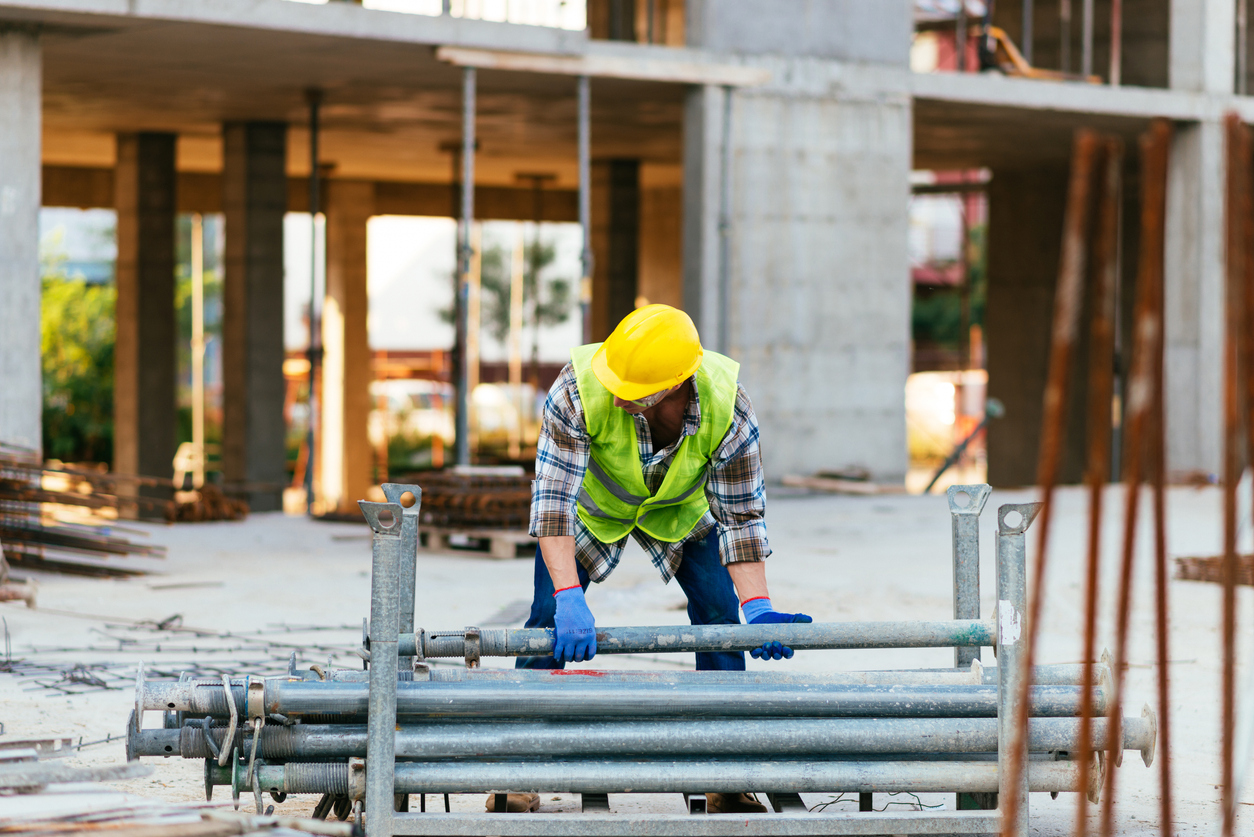
Ergonomics focuses on fitting the job to the worker, rather than expecting the worker to absorb poor job design. In construction, manufacturing, warehousing, healthcare, and public-sector work, this can mean reviewing lifting tasks, repetitive motions, awkward postures, tool use, workstation height, vibration, and material flow.
The goal is simple: reduce exposure to the physical demands most likely to cause strain.
Common ergonomic risk factors include:
- Heavy, awkward, or frequent lifting
- Reaching above shoulder height
- Bending below knee level
- Twisting while carrying loads
- Forceful gripping or tool use
- Repetitive tasks with limited recovery time
- Poor workstation or equipment layout
Once these risks are visible, employers can make practical changes that reduce workplace injuries without overcomplicating the job.
Why Ergonomics Reduces MSD Claims
MSD claims often come from repeated exposure. One lift may not cause the issue. Hundreds of lifts from a poor height just might. Workplaces love a tiny problem until it becomes a paperwork goblin.
Ergonomics reduces MSD claims by helping employers spot patterns earlier. If several workers report shoulder discomfort, fatigue, wrist pain, back strain, or difficulty with the same task, the issue may not be individual behaviour. It may be the job setup.
An ergonomics review can help identify whether materials should be staged differently, lift heights improved, tools changed, carts redesigned, or task rotation adjusted. These changes can reduce strain while supporting productivity.
When to Use Ergonomics to Prevent Workplace Injuries
Ergonomics is useful before injuries happen, but it is also valuable after patterns appear. Consider an assessment when you see repeated strain complaints, rising soft-tissue claims, modified-duty challenges, or tasks that rely heavily on lifting, repetition, force, awkward posture, or vibration.
Key Considerations
Requirements vary by province, industry, and employer type. Still, most employers are expected to identify hazards and take reasonable steps to protect workers.
Before making changes, consider:
- Which tasks create the highest exposure
- Whether workers and supervisors have been consulted
- Whether controls are realistic for the worksite
- Whether the issue affects return-to-work planning
- Whether a Job Demands Analysis is also needed
Quick FAQ
Ergonomics helps identify and reduce physical risk factors such as force, repetition, awkward posture, poor reach, vibration, and manual material handling demands.
MSD claims are injury claims related to musculoskeletal disorders, including strains, sprains, repetitive strain injuries, back pain, shoulder injuries, and other soft-tissue conditions.
No. Ergonomics is most effective when used proactively to identify high-strain tasks and reduce risk before injuries, claims, or return-to-work challenges occur.
Safer Work Starts with Better Task Design
Ergonomics should make work safer and easier to sustain, not add another layer of complexity to manage. If you are trying to reduce workplace injuries, prevent repeat MSD claims, or build a more dependable safety system across sites or teams, start by improving the tasks that create the most strain.
To see how that kind of support works in practice, read A Guide to Workplace Ergonomics for Construction and Industrial Workplaces. If you want to talk through your current gaps, priorities, or internal capacity, talk to an expert.
CrossSafety’s team supports organizations across North America with consulting, workplace safety solutions, and training designed for complex, high-risk environments.
Latest News & Insights
Deeper Dives
Uncategorized
Occupational Hygiene: A Practical Guide to Identifying and Controlling Workplace Health Hazards
Focus & Insights
Workplace Noise Assessment and When You Need One
Focus & Insights
Silica Exposure and How to Control the Risk