

Services & Sectors
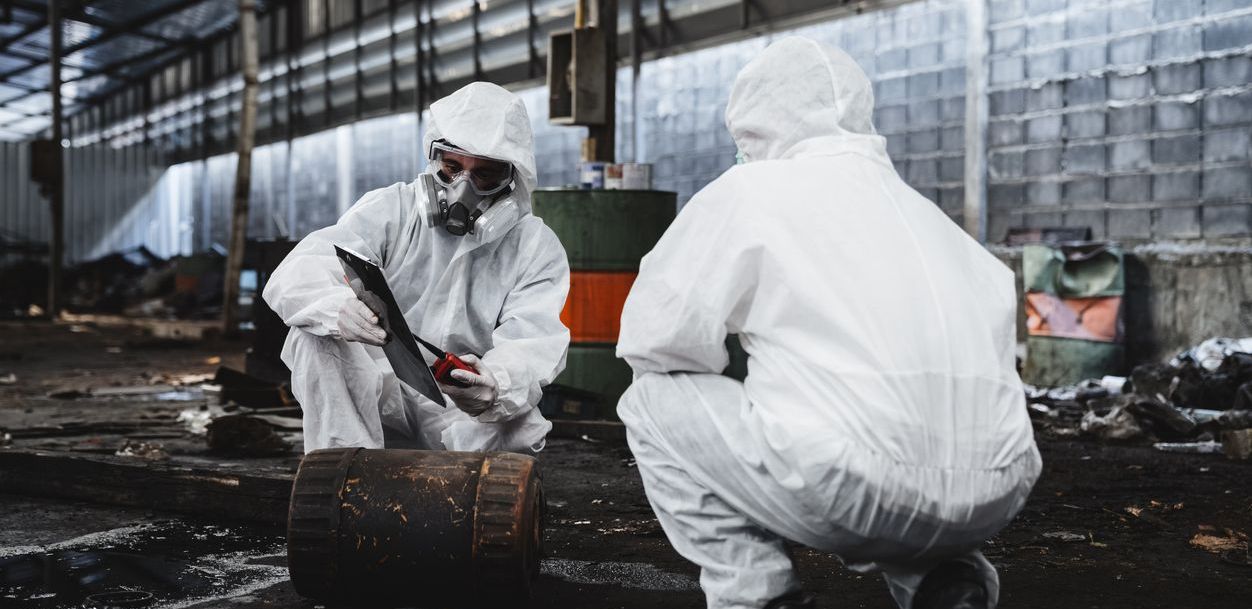
Occupational & Industrial Hygiene Services
Our occupational hygiene services identify, evaluate, and control chemical, biological, and physical exposures before they cause harm.
Overview
Every workplace contains health hazards that aren’t always visible—airborne chemicals, excessive noise, harmful dusts, biological agents, and more. Left unmanaged, occupational health exposures are responsible for thousands of occupational disease claims in Canada and the USA each year, many of which are preventable with the right monitoring and controls in place.
CrossSafety’s Occupational and Industrial Hygiene Services apply the science of anticipation, recognition, evaluation, and control to protect workers from health hazards at the source. Our certified occupational and industrial hygienists (CIH, COH, ROH) combine accredited laboratory partnerships, calibrated instrumentation, and regulatory expertise to deliver exposure assessments, control recommendations, and compliance documentation that meet the requirements of provincial, state, and federal occupational health and safety regulations, ACGIH guidelines, and client standards.
From routine exposure monitoring to complex IDLH investigations, CrossSafety provides the technical depth your organization needs to make informed decisions about worker health protection.
Hazards We Address
Our occupational hygiene services cover the full spectrum of workplace health hazards:
Chemical Hazards
Solvents, heavy metals, isocyanates, adhesives, cleaning agents, process chemicals
Airborne Particulates
Silica dust, wood dust, welding fume, asbestos fibres, grain dust
Noise & Vibration
Occupational noise exposure, hand-arm vibration, whole-body vibration assessment
Biological Agents
Mould, Legionella, bloodborne pathogens, infectious disease in occupational settings
Physical Stressors
Heat stress, cold stress, radiation (ionizing and non-ionizing), lighting adequacy
Construction-Specific
Crystalline silica, lead paint, asbestos-containing materials, diesel exhaust, isocyanates
The Problem
Many organizations address safety hazards reactively but underinvest in occupational health protection. Common gaps include:
- No baseline exposure monitoring data—meaning workers may be overexposed without anyone knowing.
- Reliance on generic SDSs and assumptions rather than site-specific air quality or noise measurements.
- Respiratory protection programs based on incorrect hazard characterization, leading to inadequate PPE selection.
- Occupational disease claims (hearing loss, respiratory illness, dermatitis) that could have been prevented with earlier intervention.
- Regulatory requirements for exposure monitoring under provincial, state, federal, or sector-specific regulations going unmet.
- Inadequate documentation for due diligence in the event of a workers’ compensation claim, regulatory investigation, or government inspection.
- Workers returning from modified duty or following illness without a clear health-based return-to-work protocol.
Occupational disease often develops over years—making prevention far more effective, and far less costly, than treatment or litigation after the fact.
The Solution
CrossSafety delivers a complete occupational and industrial hygiene service offering, from initial hazard recognition through program development and ongoing monitoring support:
- Workplace Exposure Assessments: Personal and area air sampling for chemical agents, dusts, and biological contaminants, analyzed through accredited laboratories and reported against applicable Occupational Exposure Limits (OELs), including provincial or state regulations, ACGIH TLV s ®, NIOSH RELs, and OSHA PELs.
- Noise Surveys & Hearing Conservation Program Support: Full-shift noise dosimetry and area sound level surveys, with audiometric baseline recommendations and hearing protection selection guidance.
- Respiratory Protection Program Development: Hazard characterization, fit-test coordination, respirator selection, user training, and written program development aligned with CSA Z94.4.
- Ventilation Assessment & Control Design: Evaluation of local exhaust ventilation (LEV) and general dilution systems; recommendations for new or improved engineering controls.
- Skin Exposure & Dermal Risk Assessment: Identification of skin absorption hazards and dermal contact risks, with control recommendations and appropriate PPE selection.
- Silica Exposure Monitoring & Control Plans: Specialized services for construction, mining, and manufacturing operations subject to crystalline silica regulations and exposure limits.
- Occupational/Industrial Hygiene Program Development: Creation or revision of written programs covering exposure monitoring, PPE, ventilation, housekeeping, biological safety, and health surveillance requirements.
Regulatory Compliance Documentation: Support for meeting monitoring and reporting obligations under provincial, state, and federal occupational health regulations, including contaminant tables and exposure monitoring requirements.
Why Choose CrossSafety
Certified Professionals
Our team includes Registered Occupational Hygienists (ROH) and Certified Industrial Hygienists (CIH) with credentials recognized across Canada and the United States.
North American Regulatory Expertise
We support organizations across Canada and the United States, aligning with provincial, state, and federal occupational health regulations—including OSHA, NIOSH, and ACGIH standards. Our team understands how exposure monitoring and industrial hygiene programs must adapt across jurisdictions.
Accredited Laboratory Network
We partner with AIHA-accredited laboratories to ensure sample analysis meets the highest standards for accuracy, chain of custody, and legal defensibility.
Industry-Specific Experience
From construction and manufacturing to healthcare and municipal infrastructure—we understand the unique hazard profiles of your sector.
Full-Spectrum Industrial Hygiene Support
We don’t just measure exposures—we help you understand the results, implement controls, and build sustainable programs that protect workers long-term.
Ideal For:
- Construction employers managing silica, lead, asbestos, or welding fume exposures
- Manufacturers using chemical agents, solvents, or process-generated contaminants
- Employers with noise-exposed workers requiring hearing conservation programs
- Healthcare and institutional facilities managing biological and disinfectant exposures
- Organizations responding to occupational disease claims or regulatory orders
- Companies establishing baseline exposure data for new facilities or processes
Employers required to comply with provincial, state, or federal occupational exposure regulations
FAQs
What is occupational hygiene?
Occupational hygiene is the practice of identifying, measuring, and controlling workplace exposures—such as dust, chemicals, noise, and biological agents—to protect worker health. It focuses on hazards that aren’t always visible and can cause long-term illness. By managing these exposures early, organizations reduce risk, improve compliance, and demonstrate due diligence.
What hazards require occupational hygiene testing?
Occupational hygiene testing is needed for hazards that can’t be assessed visually. This includes airborne contaminants (silica, fumes, asbestos), chemical vapours, hazardous dusts, noise exposure, biological agents like mould or Legionella, and physical stressors such as heat or vibration. Monitoring provides the data needed to confirm risk levels and determine appropriate controls.
What does an occupational hygiene assessment include?
An occupational hygiene assessment includes hazard identification, exposure monitoring (air, noise, or other measurements), laboratory analysis, and comparison to exposure limits. The final report outlines risks, compliance status, and recommended controls—such as ventilation improvements, process changes, or PPE—to reduce exposure and protect worker health.
When is exposure monitoring required?
Exposure monitoring is required when workers may be exposed to hazards above occupational exposure limits or when regulations mandate assessment. It is commonly needed when working with substances like silica or solvents, introducing new processes, or validating controls. Many organizations also perform baseline monitoring to support compliance and due diligence.
How often should exposure monitoring be conducted?
Exposure monitoring should be conducted when conditions change, new materials are introduced, or concerns arise about worker exposure. Many organizations start with baseline testing and repeat monitoring periodically or as required by regulation. A qualified hygienist can recommend a schedule based on risk level and operational changes.
All Services