

Focus & Insights
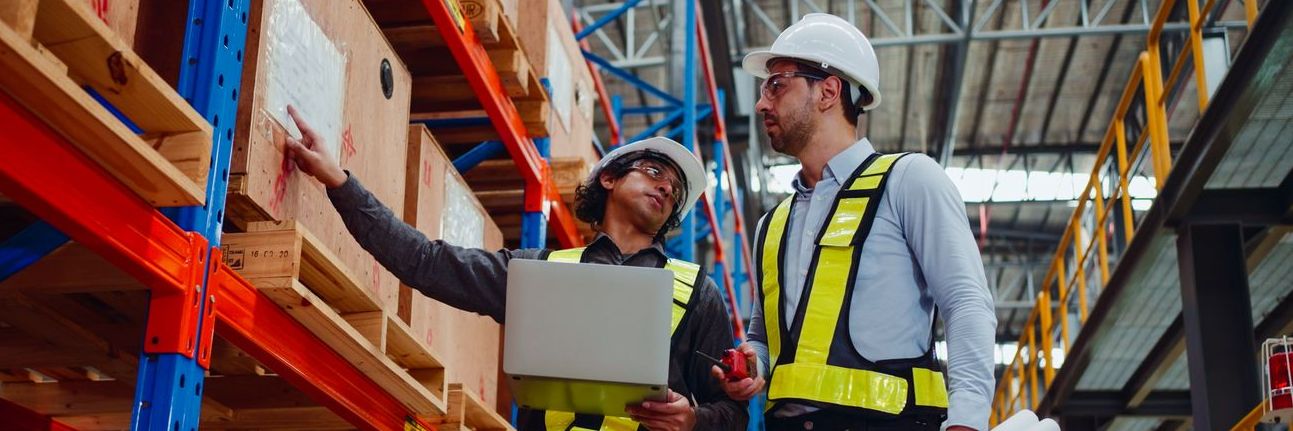
Safety Management for Supervisors: Why Worker Training Is Not Enough
Safety management connects workplace rules and worker training with the way work is planned, supervised, and completed each day. Workers need practical instruction, but even good training can lose its impact when supervisors do not reinforce procedures, respond to concerns, or adjust the plan when conditions change.
Worker training alone cannot create a safe workplace. Supervisors must confirm that workers are prepared for assigned tasks, communicate expectations, monitor changing conditions, address unsafe work, and document corrective action. Their leadership turns classroom knowledge into consistent workplace practice.
Supervisors Put Safety Training Into Practice
Training explains hazards, controls, and safe procedures. Supervisors help ensure workers can apply that knowledge during real work.
As a worker, you rely on your supervisor to assign tasks clearly, confirm that you have the required instruction, and provide guidance when something changes. A certificate does not answer every question that can arise when equipment fails, deadlines tighten, or site conditions change.
Effective workplace safety leadership means supervisors know when to pause the work, seek additional expertise, or arrange refresher training.
Safety Leadership Shapes Everyday Decisions
Workers notice what supervisors pay attention to. When a supervisor takes hazard reports seriously, follows procedures, and corrects unsafe behaviour consistently, workers understand that the rules matter.
The opposite is also true. Training loses credibility when workers are told to follow a procedure in class but encouraged to take shortcuts on the job.
Supervisors strengthen safety management when they:
- Explain how procedures apply to the task
- Check that required controls are in place
- Encourage questions and hazard reporting
- Respond consistently to unsafe conditions
- Record coaching and corrective action
This does not mean supervisors need to become “the safety police.” It means they must lead clearly and make safe work part of normal operations.
Supervisor Training Supports Better Responses
Supervisors have responsibilities that worker-level courses do not fully cover. They need training in hazard recognition, incident response, communication, documentation, due diligence, and their legal duties.
They should also know how to identify gaps in worker competency. Competency means having the knowledge, training, and experience needed to perform assigned work safely.
A worker may complete a course but still need practical instruction, site orientation, equipment-specific training, or closer supervision before starting a task.
Key Considerations for Workplace Safety Management
Supervisor requirements vary across Canada by jurisdiction, industry, and job function. Employers should review the legislation that applies to their workplace and avoid assuming that an experienced worker automatically has the preparation needed to supervise others.
Training should also be reviewed when responsibilities, equipment, hazards, or work processes change.
Strong Supervision Helps Training Hold Up
Worker training provides the foundation. Trained, engaged supervisors help that knowledge survive real-world pressure. When workers and supervisors understand their roles, the entire safety system becomes more practical, consistent, and responsive.
Take the Next Step
Explore our workplace safety training courses, talk to an expert, or read our guide to building a health and safety training system for high-risk work.
Quick FAQ
Supervisors plan and assign work, respond to concerns, monitor performance, and document corrective action. They need to understand both workplace hazards and their leadership and legal responsibilities.
Experience is valuable, but it does not automatically prepare someone for supervisory responsibilities. Additional training can help them understand due diligence, communication, documentation, hazard response, and applicable legal duties.
Review training when laws, duties, equipment, procedures, or hazards change. Refresher training can also help when audits, incidents, observations, or worker feedback reveal gaps.
Latest News & Insights
Deeper Dives
Uncategorized
Occupational Hygiene: A Practical Guide to Identifying and Controlling Workplace Health Hazards
Focus & Insights
Workplace Noise Assessment and When You Need One
Focus & Insights
Silica Exposure and How to Control the Risk