

The real test of health and safety training is not whether someone completed the course, but whether the system holds up when people, projects, and risks change.
High-risk work does not leave much room for guesswork. When workers are operating equipment, entering confined spaces, working at heights, handling hazardous materials, or managing complex job sites, training cannot be treated as a quick onboarding task.
Certificates, documentation, and compliance all matter. But on their own, they are not enough.
A strong health and safety training system helps ensure workers understand the hazards they face, supervisors know how to reinforce safe work, and the organization can show that the right people received the right training at the right time.
For many employers, training becomes reactive. Crews change, supervisors move sites, certificates expire, equipment changes, contractors arrive, and internal HSE resources are stretched thin. Then an inspector, audit, or incident investigation puts the system to the test.
This article explains how to build a practical, defensible training system for high-risk work – one that connects training to real hazards, legal obligations, job roles, supervisor expectations, and day-to-day operations.
Table of Contents

1. Why High-Risk Workplaces Need a Training System, Not Just Courses?
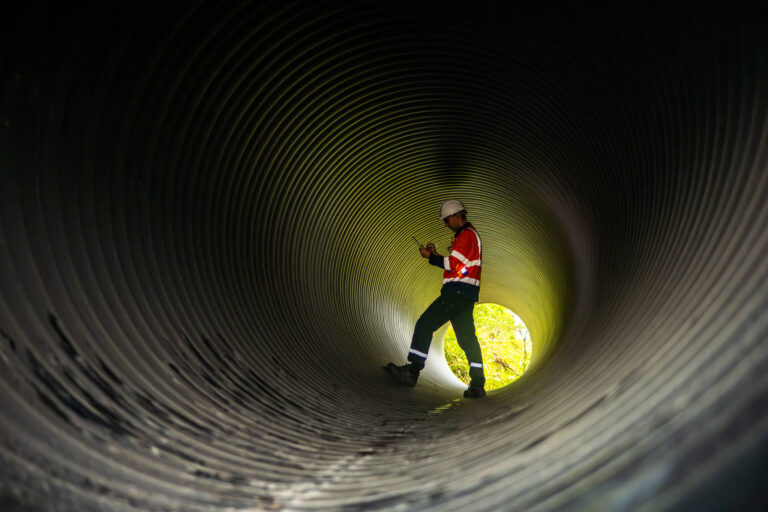

In high-risk environments, training needs to do more than satisfy a basic requirement. It needs to support the way work is planned, assigned, supervised, documented, and improved.
A one-off course can help someone understand a specific topic. A training system helps the organization answer bigger questions:
• Who needs training?
• What training do they need?
• When do they need it?
• Who has completed it?
• What is expiring soon?
• What has changed since the last training session?
• How do we know the training is being applied in the workplace?
Those questions matter because high-risk work is rarely static. Crews change. Projects change. Regulations change. Equipment changes. The work environment changes. Even experienced workers can face new hazards when they move from one site, department, or task to another.
In Canada, employers also need to account for jurisdiction. Requirements can vary depending on whether the workplace is federally regulated or governed by provincial or territorial occupational health and safety legislation. A construction employer in Ontario, an industrial employer in Alberta, and a federally regulated transportation employer may all need to think differently about legal obligations, documentation, and training requirements.
That is why the strongest programs do not start with “What courses do we offer?” They start with “What work is being done, what risks are present, and what does each person need to know to do the work safely?”
A good system helps make training practical. It connects compliance requirements with workplace reality. It also helps employers avoid the scramble that happens when training records are incomplete, outdated, or scattered across inboxes, spreadsheets, filing cabinets, and someone named Dave’s desktop.
2. Start With the Work, Not the Course List
The first step in building a stronger training system is to look closely at the work itself.
Many organizations begin with a standard course list. WHMIS. Working at heights. First aid. JHSC. Supervisor awareness. Equipment training. Site orientation. Those may all be necessary, but a course list alone does not tell you whether training matches actual job risk.
A better starting point is the work profile.
Look at the tasks being performed. Identify the hazards connected to those tasks. Then map those hazards to roles, responsibilities, and training needs.
For example, a construction project may involve:
• Workers performing tasks at elevation
• Supervisors coordinating trades and subcontractors
• Equipment operators moving material through active work zones
• Project managers overseeing schedule, documentation, and compliance
• Visitors or vendors entering controlled areas
• Emergency procedures that change as the site changes
Each group may need different training. Some training will be legally required. Some will be site-specific. Some will support competency, supervision, or due diligence.
In manufacturing or industrial workplaces, the map may look different. A production worker, maintenance technician, supervisor, joint health and safety committee member, contractor, and plant manager may each interact with hazards in different ways.
A practical training system should account for:
• Job role
• Department or site
• Tasks performed
• Equipment used
• Materials handled
• Exposure risks
• Supervisory responsibilities
• Emergency duties
• Legal and internal requirements
This kind of mapping helps prevent two common problems.
The first problem is undertraining. Workers are exposed to hazards without the knowledge they need.
The second problem is overtraining without strategy. Everyone gets everything, which sounds thorough until people are pulled away from work for training that does not apply to their role. That can create fatigue and reduce buy-in.
Good health and safety training is targeted. It respects the worker’s time, the employer’s obligations, and the realities of the job.
3. Build Training Around Compliance, Competency, and Confidence
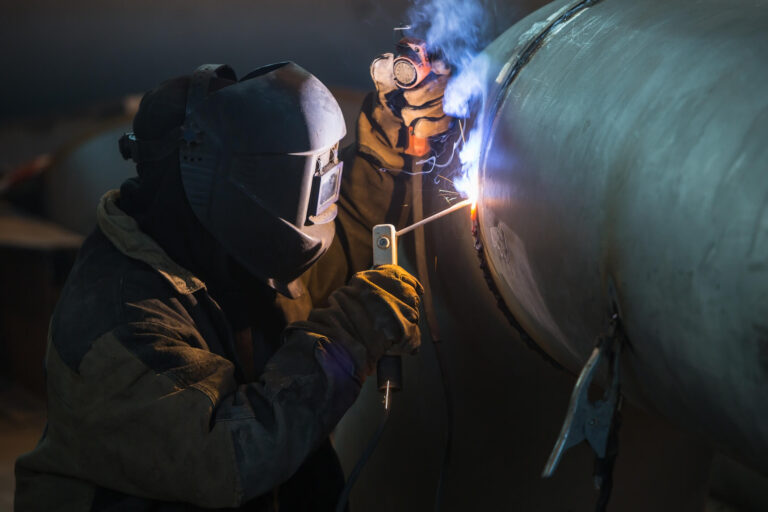
A strong training system should support three connected goals: compliance, competency, and confidence.
Compliance is the baseline. Employers need to understand which training is required, who needs it, when it must be completed, and what records must be kept. In high-risk environments, compliance is not optional housekeeping. It is part of managing liability, responding to inspections, supporting due diligence, and protecting workers.
Competency goes further. It asks whether the worker can apply what they learned. A person may complete a course and still need practical instruction, supervision, site orientation, equipment-specific training, or task-specific coaching before they can work safely.
Confidence is the part people sometimes overlook. Workers and supervisors need enough understanding to act when something changes. They need to know when to stop, ask, report, escalate, or adjust the work plan. In high-risk work, the dangerous moments often happen when conditions change, and people try to “just get it done.”
A useful training system should help people answer practical questions:
• What are the hazards?
• What controls are in place?
• What procedures apply?
• What should I do if something changes?
• Who do I talk to if I am unsure?
• What needs to be documented?
This is where training becomes more than a certificate. The certificate shows completion. The training itself should help people make better decisions at work.
For supervisors and managers, this matters even more. They are often responsible for planning work, assigning people, correcting unsafe behaviour, documenting issues, and responding when conditions change. If they do not understand the training requirements and the risks behind them, the whole system becomes weaker.
A strong health and safety training system should make compliance visible, competency practical, and confidence part of the daily rhythm of work.
4. Make Training Easy to Assign, Track, and Prove
Even well-designed training can fall apart if the records are messy.
In high-risk workplaces, tracking is not a nice extra. It is the part of the system that helps prove what happened. During an audit, inspection, incident investigation, procurement review, or internal review, employers may need to show that workers were trained, supervisors understood their responsibilities and expired or missing training was addressed.
A practical training matrix can help.
A training matrix maps roles to required training. It can be organized by job title, department, project, site, hazard exposure, or task. For each role, it should identify the training required, the frequency, the completion status, the expiry date, and the person or department responsible for follow-up.
For high-risk work, the matrix may include:
• Required legislative training
• Company-required training
• Site-specific orientation
• Task-specific instruction
• Equipment-specific training
• Supervisor training
• Emergency response training
• Refresher requirements
• Contractor or subcontractor requirements
The goal is not to create a massive spreadsheet that only one person understands. The goal is to build a record that is clear enough to use.
A good system should help you see:
• Who is cleared for specific work
• Who needs training before starting
• What expires in the next 30, 60, or 90 days
• Which roles have gaps
• Which sites or departments need attention
• Whether contractors have met requirements
• Whether refresher training is being completed
The easier this is to track, the less likely the organization is to operate in panic mode.
This is especially important for employers with multiple sites, seasonal work, turnover, subcontractors, or a mix of classroom, online, virtual, and onsite training. Without a clear system, small gaps can hide until they become much larger problems.
Training records should also be easy to retrieve. When someone asks for proof, the answer should not require a forensic investigation through three inboxes, two filing cabinets, and a sticky note from 2021.
5. Train Supervisors Like They Are Part of the Control System
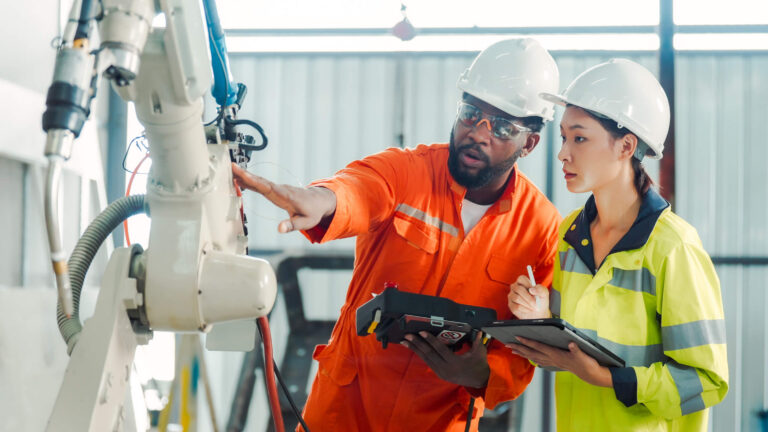
Supervisors are one of the most important parts of any safety system.
They translate policies into daily expectations. They see how work is being performed. They notice shortcuts, confusion, fatigue, production pressure, and gaps between procedure and reality. They are often the first people workers approach when something feels unclear or unsafe.
That means supervisor training needs special attention.
A supervisor does not need to know every technical detail of every specialized task. But they do need to understand their role in recognizing hazards, reinforcing training, responding to concerns, documenting issues, and escalating problems when needed.
For high-risk work, supervisor training should help leaders understand:
• Their legal and organizational responsibilities
• How to confirm workers are trained for assigned tasks
• How to identify when refresher training may be needed
• How to respond to unsafe work or changing conditions
• How to document observations, coaching, and corrective action
• How to support incident reporting and investigation
• How to communicate expectations clearly
This is where many organizations run into trouble. Workers may receive task-specific training, but supervisors may not receive enough support to reinforce it. When that happens, training becomes disconnected from the work.
For example, a worker may know the procedure from class, but if the supervisor does not reinforce that procedure under schedule pressure, the training loses power. A site orientation may explain reporting requirements, but if supervisors do not respond well to concerns, workers may stop reporting.
Supervisors do not need to be safety police. In fact, that approach can backfire quickly. They need to be capable, consistent leaders who understand how safety, productivity, documentation, and communication fit together.
Strong supervisor training helps turn a training program into a working system.
6. Use Training to Support Culture, Not Just Compliance
Safety culture can sound vague, but in practice it shows up in very concrete ways.
• Do workers report hazards?
• Do supervisors take concerns seriously?
• Do people understand why controls matter?
• Are procedures followed when no one is watching?
• Do new workers learn the safe way to do the job, or just the fast way?
• Are shortcuts challenged or quietly accepted?
Training can influence all of this.
When training is practical and relevant, it gives people shared language. It helps workers understand the hazards behind the rules. It gives supervisors a clearer way to communicate expectations. It also helps newer workers recognize what “good” looks like in a workplace where experience levels vary.
This matters in high-risk work because people are often under pressure. Construction schedules move. Production targets loom. Equipment breaks. Weather changes. A crew is short. A contractor arrives late. Someone says, “We’ll just do it quickly.”
That is the moment where training either holds up or it does not.
The best health and safety training does not rely on fear. It helps people understand what can go wrong, what controls are in place, and what role they play in keeping the work safe.
It also makes it easier for workers to speak up before a problem becomes an incident.
Training can support culture when it is:
• Relevant to the work people do
• Clear enough to remember under pressure
• Reinforced by supervisors
• Connected to procedures and expectations
• Refreshed when risks or requirements change
• Treated as part of operations, not an interruption
Compliance may get people into the room. Practical relevance is what makes the training stick.
7. Review, Refresh, and Improve the System Over Time
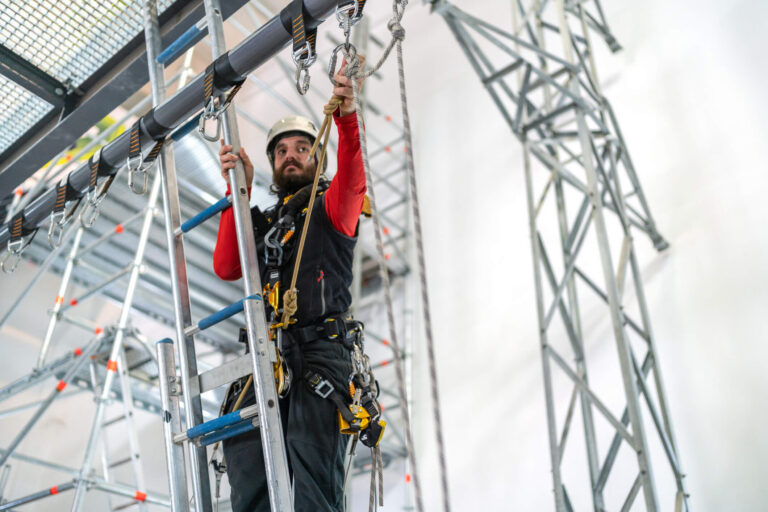
A training system should not be built once and left alone.
High-risk work changes too often for that. A system that made sense last year may not reflect the work being done today. That does not mean everything needs to be rebuilt constantly, but it does mean training should be reviewed on a regular schedule and after meaningful changes.
Review the system when:
• New equipment is introduced
• New chemicals or materials are used
• New work processes are added
• Legislation or standards change
• A new project or site begins
• Incident or near-miss trends appear
• Audit findings identify gaps
• Supervisors raise concerns
• Roles or responsibilities change
• Contractors or subcontractors are added
• Training records show recurring missed refreshers
This review should look at both the training matrix and the effectiveness of the training itself.
• Are the right people being trained?
• Are records complete?
• Are supervisors reinforcing the training?
• Are workers applying what they learned?
• Are incidents or near misses pointing to a knowledge gap?
• Are there areas where training needs to be more specific?
You can also use feedback from workers and supervisors. They often know where training feels useful and where it feels disconnected from the real job. That feedback can help improve course selection, site orientation, refresher content, and internal procedures.
The strongest systems improve over time. They use data, feedback, observations, and workplace changes to keep training current and useful.
That is the difference between training that checks a box and training that supports a safer, more resilient workplace.
Quick FAQ
What is health and safety training?
Health and safety training teaches workers, supervisors, and managers how to recognize hazards, follow safe work procedures, meet legal requirements, and respond appropriately when risks change. In high-risk work, training should connect directly to the tasks, equipment, materials, and environments people face
How often should safety training be refreshed?
It depends on the course, jurisdiction, workplace policy, and risk level. Some training has defined expiry periods. Other training should be refreshed when work changes, equipment changes, procedures change, incidents occur, or supervisors identify gaps in understanding or performance
What should be included in a training matrix?
A training matrix should identify roles, required training, completion status, expiry dates, refresher timelines, and responsibility for follow-up. It may also include site-specific, task-specific, equipment-specific, supervisor, emergency response, and contractor training requirements.
Why is supervisor training important?
Supervisors help turn training into daily practice. They assign work, reinforce procedures, respond to concerns, document issues, and help identify when workers need additional support. Without trained supervisors, even strong worker training can lose impact on the job.
Is online training enough for high-risk work?
Online training can be useful for some topics, especially awareness-based learning. High-risk work may also require practical instruction, hands-on demonstration, site-specific orientation, supervisor verification, or competency assessment depending on the task and applicable requirements.
Next Steps
A dependable training system helps you assign the right courses, support supervisors, strengthen compliance, and give workers knowledge they can apply on the job.
To plan your next step, find out more about our SkillsCross training courses.
For help choosing training for your team, call 1-888-732-4347 or email [email protected].