

Focus & Insights
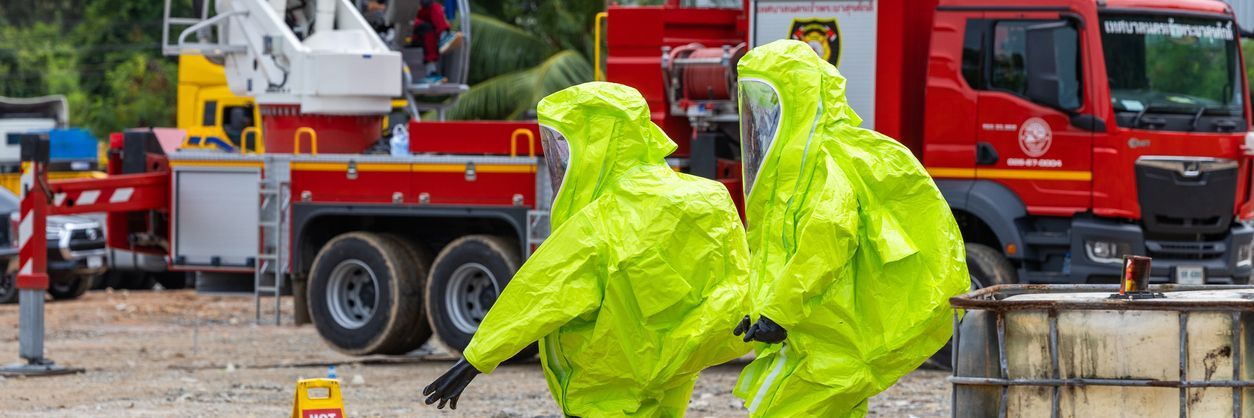
Occupational Health & Safety Training for High-Risk Work: What Employers Should Prioritize First
Occupational Health & Safety Training can feel overwhelming when your workplace has multiple sites, changing crews, equipment, contractors, supervisors, and compliance requirements to manage.
The real question is not just, “What training do we need?” It is, “What should we prioritize first?”
What Employers Should Prioritize First
For high-risk work, employers should prioritize training based on legal requirements, the severity of hazards, the roles involved, supervisor responsibilities, and expiry or refresher deadlines. Start with the work that carries the greatest risk, then confirm that workers and supervisors have training that fits their actual tasks.
Start Occupational Health & Safety Training With Legal Requirements
Occupational Health & Safety Training refers to the instruction workers, supervisors, and employers need to understand hazards, safe work procedures, legal duties, and emergency expectations.
In Canada and the USA, training obligations can vary by province, state, territory, sector, and type of work. Some training is tied directly to legislation or regulation. Other training may be required by client standards, internal policies, project specifications, contracts, or site rules.
Start by identifying the training that applies to your workplace before the work begins. For high-risk environments, this often includes topics such as working at heights, confined spaces, WHMIS, equipment operation, lockout/tagout, first aid, site orientation, and supervisor awareness.
Match Safety Training to the Highest-Risk Work
Once legal requirements are clear, look at risk. High-risk work includes tasks where a mistake, missed step, or lack of understanding can lead to serious injury, illness, property damage, shutdowns, or regulatory attention.
Prioritize training for work involving:
- energized equipment or machinery
- heights, lifts, or elevated platforms
- confined or restricted spaces
- hazardous materials or exposures
- mobile equipment and vehicle movement
- construction, maintenance, or shutdown work
- emergency response responsibilities
This step helps you move beyond a generic course list. Good workplace safety training connects directly to the hazards people face, the tools they use, and the conditions they work in.
Include Supervisors in High-Risk Training Decisions
Supervisors play a major role in whether training turns into safe work. They assign tasks, monitor conditions, correct unsafe practices, coordinate subcontractors, and respond when plans change.
That means supervisor training should not be an afterthought. Supervisors need to understand the hazards, documentation requirements, reporting expectations, and limits of the work being performed. A trained worker still needs competent oversight, especially when the work is complex, fast-moving, or spread across multiple locations.
Key Considerations for Occupational Health and Safety Training
Training should be reviewed when job duties change, new equipment is introduced, incidents occur, procedures are updated, or legislation changes. Expiry dates also matter. A training matrix can help track who needs what, when refreshers are due, and where gaps exist.
You may also face pushback about time, cost, or scheduling. In those moments, focus on risk. The priority is not training everyone on everything. It is making sure the right people receive the right training before the work exposes them to preventable harm.
Quick FAQ
Start with legally required training, then prioritize the tasks and roles with the greatest risk of serious injury, exposure, equipment-related incidents, or regulatory concern.
Review safety training when work changes, equipment changes, legislation changes, procedures are updated, incidents occur, or certificates are approaching expiry.
Workers, supervisors, managers, contractors, and anyone with responsibility for planning, assigning, performing, or overseeing hazardous work should receive training that fits their role.
Build Training Priorities That Hold Up
A strong training plan starts with legal duties, then moves into risk, roles, supervision, and records. When you prioritize this way, training becomes easier to defend, easier to manage, and more useful on the floor, in the field, or on site.
To keep building your training plan, you can review our safety and training courses, talk to an expert, or read our related article on building a stronger safety training system for high-risk work.
Latest News & Insights
Deeper Dives
Uncategorized
Occupational Hygiene: A Practical Guide to Identifying and Controlling Workplace Health Hazards
Focus & Insights
Workplace Noise Assessment and When You Need One
Focus & Insights
Silica Exposure and How to Control the Risk