
Focus & Insights

How to Prepare for a Health and Safety Inspection on a Construction Site
Health and safety inspection prep for construction sites starts with documentation, site conditions, training, and follow-up.
A health and safety inspection on a construction site is not just a review of paperwork. It is a close look at whether the site, the crews, and the documentation match the legal and practical requirements tied to the work being done.
That is why inspection prep can feel stressful in construction. Conditions change quickly. Trades overlap. Equipment moves. Hazards shift by phase. A site can be well run overall and still have weak spots that become obvious the moment someone starts asking questions.
The good news is that inspection readiness is usually less about doing something dramatic and more about checking whether the basics are current, visible, and being followed consistently.
Start With the Site Documents Inspectors Commonly Review
Before anything else, make sure the site file is current and easy to access. On a construction project, that usually includes site orientation records, hazard assessments, inspection records, incident reports, corrective actions, equipment or tool inspection records where required, and any site-specific procedures tied to high-risk work.
A hazard assessment is a review of what could cause harm and what controls are needed. A corrective action is the step taken to fix a hazard, gap, or non-compliance issue.
On a construction site, weak points often include:
- Outdated or missing site-specific hazard assessments
- Incomplete worker orientation records
- Missing ladder, scaffold, or equipment inspection records
- Incident documentation without clear follow-up
- Multiple versions of forms being used by different supervisors
If the paperwork says one thing and the site shows another, that gap will get noticed.
Check the High-Risk Areas That Draw Attention Fast
Construction inspections often focus quickly on visible, high-risk issues. That means site prep should include a walk-through of the conditions most likely to raise questions.
Look closely at:
- Fall protection and edge protection
- Ladders, scaffolds, and elevated work platforms
- Housekeeping and access routes
- Excavation or trench controls
- Lockout or energy isolation where applicable
- PPE use
- Material storage
- Site signage and restricted areas
This is where many teams lose ground. The company may have decent policies, but the inspector is looking at what is happening today, in this area, with this crew.
Make Sure Supervisors Can Speak to the Site
A workplace inspection is not only about documents and visible conditions. It also reveals whether supervision is active and informed.
Site supervisors should be able to explain:
- What hazards are active on site that day
- What controls are in place
- How new workers are oriented
- How issues are reported
- What happens when a hazard is found
- How corrective actions are tracked
If those answers are vague, it suggests the system is not fully connected to the work.
Review Open Issues Before They Become Inspection Issues
One of the most common construction-site problems is not the first hazard. It is the second look at a hazard that was already known.
If your inspection records, toolbox talks, or incident reports show recurring concerns, review whether they were addressed properly. Repeated housekeeping problems, missing PPE, poor access control, incomplete barricading, or unresolved scaffold issues can make the site look reactive instead of managed.
That is where a gap assessment or audit can help. It gives you a structured way to find recurring compliance problems before they are pointed out by someone external.
Quick FAQ
They often focus on visible high-risk issues such as fall protection, ladders, scaffolds, housekeeping, access, excavation safety, and whether workers appear to be following site rules.
Keep site orientations, hazard assessments, inspection records, incident reports, corrective actions, and relevant equipment or high-risk work documentation current and easy to access.
A common problem is mismatch: the paperwork says controls exist, but site conditions, supervision, or worker practices do not reflect them.
Better Preparation Means Fewer Surprises on Site
Preparing for a health and safety inspection on a construction site is really about alignment. Your site documents, supervisor knowledge, worker practices, and physical conditions should all tell the same story.
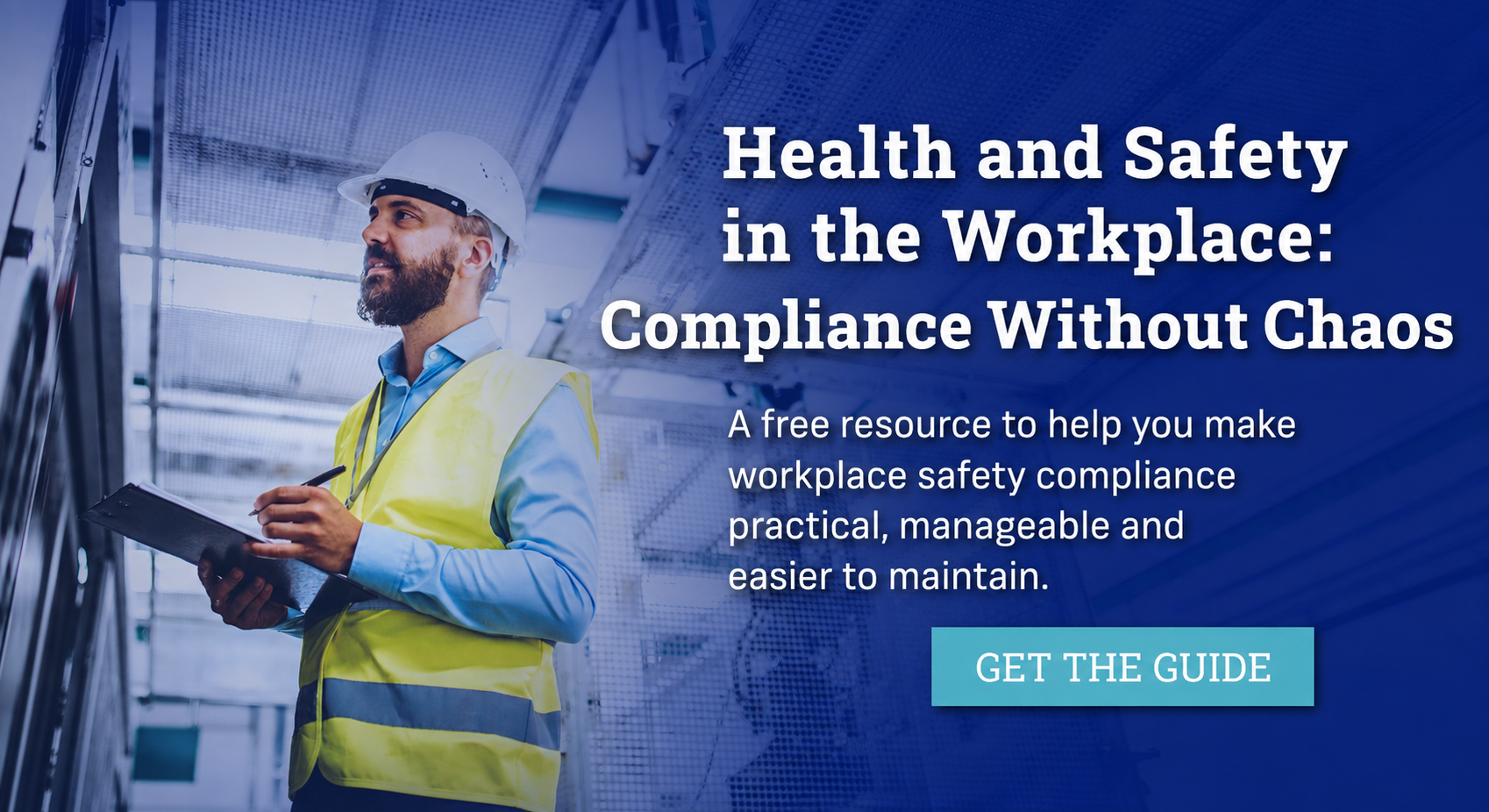
For a broader look at keeping safety and compliance practical when work is busy and conditions shift, read Health and Safety in the Workplace Compliance Without Chaos.
If you want support reviewing site documentation, closing compliance gaps, or strengthening your program, explore our HSE consulting and compliance support services. If you want to talk through your inspection readiness, talk to an expert.
Latest News & Insights
Deeper Dives
Uncategorized
Occupational Hygiene: A Practical Guide to Identifying and Controlling Workplace Health Hazards
Focus & Insights
Workplace Noise Assessment and When You Need One
Focus & Insights
Silica Exposure and How to Control the Risk