
Focus & Insights

Occupational Health and Safety Responsibilities of Employers, Supervisors, and Workers
Occupational health and safety responsibilities define who must lead, supervise, follow, and document workplace safety.
Occupational health and safety responsibilities are one of the most basic parts of a compliant workplace, and one of the most misunderstood. Most organizations know safety is a shared responsibility. The trouble starts when that idea stays too general.
In practice, compliance depends on knowing who is expected to do what, when, and how. If responsibilities are vague, inspections get missed, training gaps stay open, hazards go unaddressed, and documentation starts to fall apart. This article breaks down the roles of employers, supervisors, and workers in a practical way.
Occupational Health and Safety Responsibilities Start with the Employer
An employer is the organization or person with the authority to direct work and provide the structure around it. In practical terms, the employer is responsible for building and supporting the safety system.
That includes providing:
- Policies and procedures
- Training and orientation
- Hazard controls
- Supervision
- Equipment and resources
- A process for reporting and follow-up
The employer does not need to do every task personally, of course. But the employer is responsible for making sure the system exists and functions. If the program is missing key pieces, that does not become someone else’s problem by magic.
Supervisor Responsibilities Connect the Program to the Work
A supervisor is the person who oversees workers and directs day-to-day activity. That role is where many workplace health and safety responsibilities become real.
Supervisors are typically responsible for making sure workers understand procedures, follow site rules, use required controls, and respond to hazards as they come up. They also play a key role in reporting issues, reinforcing training, and escalating problems when something is not right.
This is where many compliance problems show up. A company may have decent policies, but if supervisors are unclear on their responsibilities, the system gets weaker fast.
Worker Responsibilities Support Day-to-Day Compliance
Workers also have clear occupational health and safety responsibilities. A worker is expected to follow procedures, use required protective equipment, report hazards, and work in a way that does not create unnecessary risk.
That matters because compliance is not only built in policies or management meetings. It shows up in what happens on the floor, on site, and during routine tasks.
Still, workers should not be expected to carry the whole system on their backs. If training is weak, supervision is inconsistent, or procedures are outdated, the problem is bigger than worker behaviour.
Quick FAQ
Responsibility is shared, but not equally. Employers build and support the system, supervisors manage safe execution day to day, and workers follow procedures and report hazards.
Yes. Legal details can vary by state/province or sector, but the core responsibilities of employers, supervisors, and workers remain broadly similar across Canada and the USA.
That is when compliance gaps tend to show up through missed inspections, weak follow-up, poor documentation, and inconsistent supervision.
Role Clarity Makes Compliance Easier to Maintain
The goal is not just to say that safety is everyone’s job. It is to define how each role supports the larger system. Provincial requirements may vary, but that basic principle stays the same across construction, industrial, and public-sector environments.
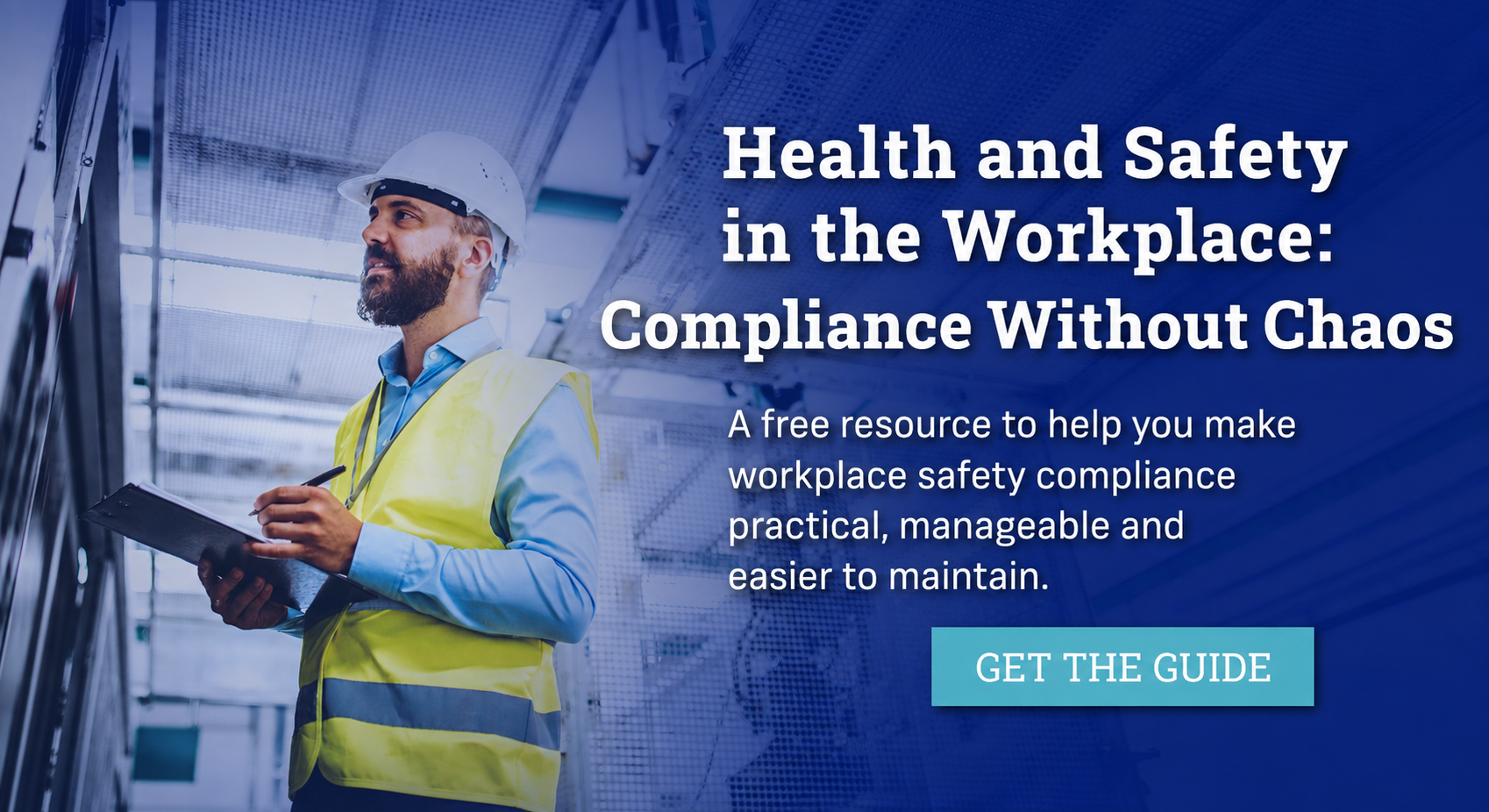
For a broader look at keeping safety and compliance practical when work is busy and conditions shift, read Health and Safety in the Workplace Compliance Without Chaos.
If you want help strengthening responsibilities, documentation, or program structure, explore our HSE consulting and compliance support services.
If you want to talk through current gaps in your program, talk to an expert.
Latest News & Insights
Deeper Dives
Uncategorized
Occupational Hygiene: A Practical Guide to Identifying and Controlling Workplace Health Hazards
Focus & Insights
Workplace Noise Assessment and When You Need One
Focus & Insights
Silica Exposure and How to Control the Risk