

Focus & Insights
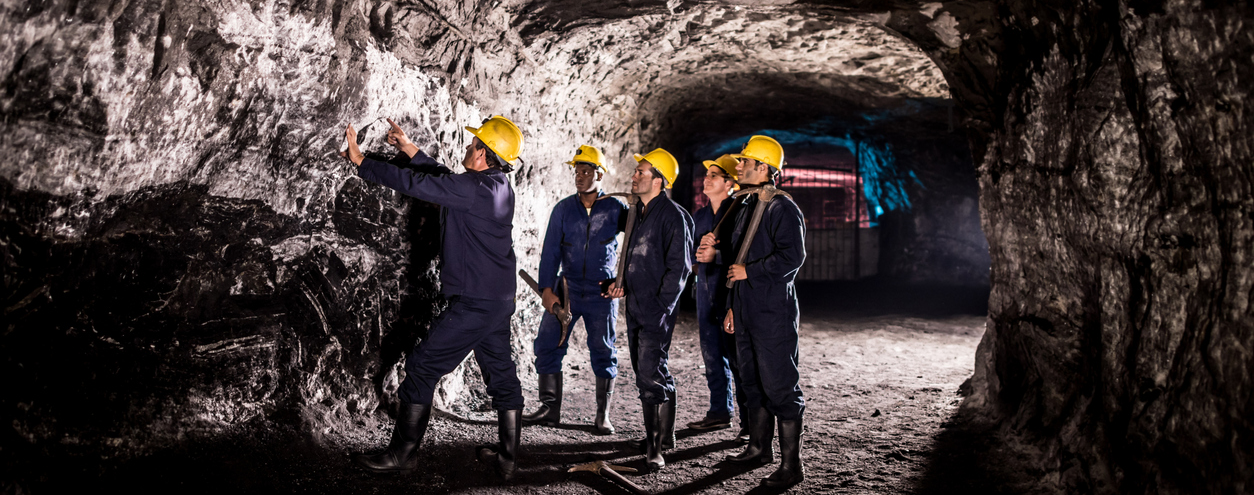
Workplace Danger Isn’t Always Obvious: Hidden Risks Like Dust, Noise, Strain, and Fatigue
Workplace danger includes hidden risks like dust, noise, strain, and fatigue that can harm workers over time.
Workplace danger is not always loud, dramatic, or easy to spot. In many high-risk environments, the hazards that cause long-term harm are the ones people get used to: dusty air, constant noise, repetitive strain, and tired workers pushing through one more shift.
That matters because hidden risks often blend into the background of daily work. This article looks at four common exposures that are easy to overlook and why practical control measures matter before they turn into injuries, illness, claims, or compliance trouble.
Workplace Danger Can Build Through Daily Exposure
Some hazards do not show up in a single moment. Dust exposure can affect breathing, noise can damage hearing, and awkward postures or repeated lifting can wear people down over time.
Exposure means the amount of contact a worker has with a hazard during the job. The longer it goes unaddressed, the more likely it becomes part of the routine, which is a terrible qualification for safety planning.
Hidden Hazards Need More Than a Quick Visual Check
A work area can look fine and still carry serious risk. Airborne dust may not be obvious in every light. Noise levels may seem normal because crews have adapted to them. Fatigue may look like someone being quiet when the real issue is slower reaction time and poorer decisions.
That is why risk assessment needs more than a walk-through. Good hazard control includes monitoring, worker feedback, task review, and checking whether current controls still match the work.
Risk Control Works Best When It Fits the Job
Strong workplace risk controls are practical. That can include ventilation, hearing protection, better task rotation, lifting aids, fit-for-purpose scheduling, and supervisor attention to signs of fatigue or overexertion.
Key Considerations for Less Obvious Risks
Canadian requirements vary by jurisdiction, and some exposures may also trigger occupational hygiene, medical monitoring, or documentation needs. These hazards are easy to underestimate because they rarely arrive with flashing lights. That is exactly why they deserve deliberate attention.
Quick FAQ
They are risks that build over time or are easy to overlook, such as dust, noise, fatigue, vibration, and repetitive strain.
Because they can feel routine, especially in busy environments where workers adapt to them and stop noticing the exposure.
By assessing exposure, reviewing tasks, monitoring conditions, listening to workers, and updating controls to fit real operations.
The takeaway is simple: hidden hazards are still real hazards. When you treat dust, noise, strain, and fatigue as part of everyday safety planning, you reduce risk before it becomes damage.
For a broader look at practical occupational health and safety, explore our related insights, review our HSE Management & Safety Staffing Solutions, or talk to an expert.
If you want to go through your risks, your current process, and what a practical safety management plan could look like, talk to an expert.
If you want a practical deep dive on keeping safety and compliance strong when work is busy and conditions shift, read our latest guide on hidden risks and practical solutions.
Latest News & Insights
Focus & Insights
Ensure Training Sticks: Turning Courses into On-the-Job Competency
Focus & Insights
Workplace Danger Isn’t Always Obvious: Hidden Risks Like Dust, Noise, Strain, and Fatigue
Focus & Insights
Safety Management in the Real World: How Supervisors Prevent Incidents Before They Start