

Focus & Insights
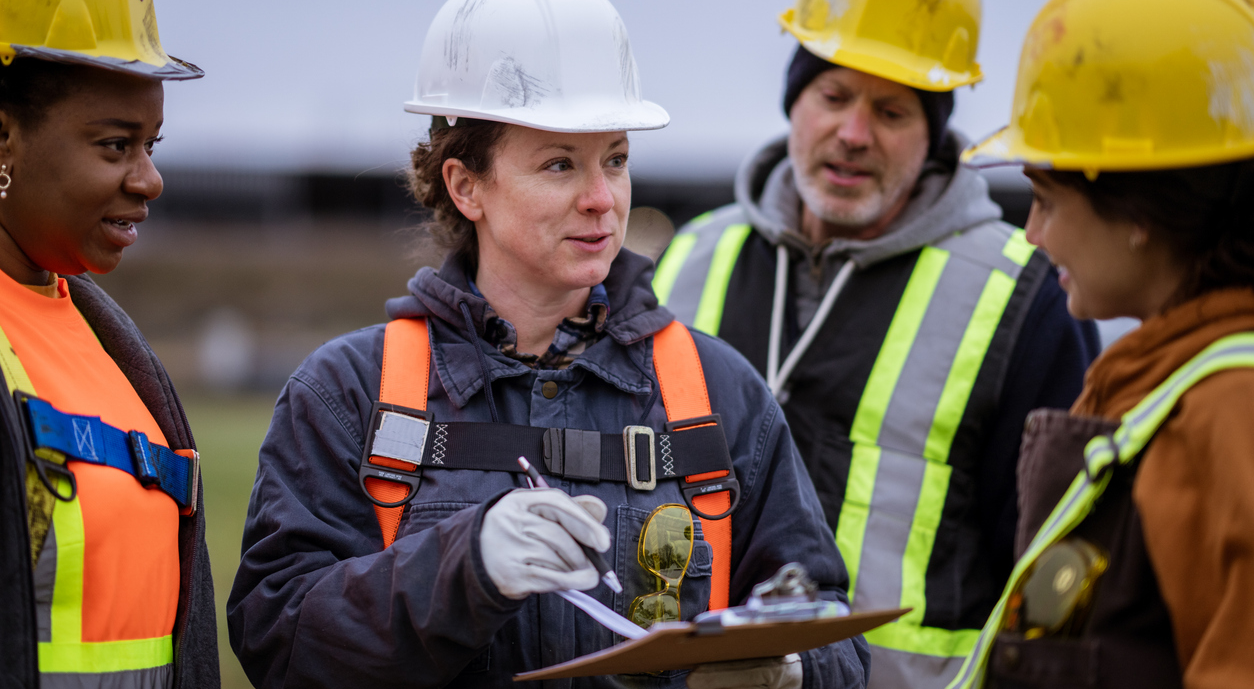
Safety Management in the Real World: How Supervisors Prevent Incidents Before They Start
Find out how safety management helps supervisors prevent incidents through planning, communication, and daily control checks.
Strong safety management starts before anyone picks up a tool, enters a space, or moves equipment. In high-risk work, supervisors play a key role in preventing incidents by spotting gaps early, confirming controls, and making sure crews are aligned before the day gets away from them.
Safety management is the day-to-day process of planning work, controlling hazards, assigning responsibilities, and checking that safeguards are in place. It matters because even a well-written program can fall flat when conditions shift, timelines tighten, or crews change.
Safety Management Starts Before the First Task
The best supervisors do not wait for trouble to announce itself. They review the scope of work, identify critical hazards, confirm permits or procedures, and check whether the right people, equipment, and protections are in place.
This early review is where many preventable issues get caught. Missing lockout steps, unclear handoffs, rushed orientations, and incomplete hazard assessments rarely improve with age.
Daily Safety Leadership Depends on Clear Communication
Good site safety depends on people knowing what is changing and what is expected. A quick crew talk, a targeted pre-job review, or a direct check-in with contractors can prevent confusion that paperwork alone will not fix.
This is where supervisory safety practices matter most. Workers need clear instructions, a chance to raise concerns, and confidence that stopping to clarify a risk will not earn them grief for “slowing things down.”
Safety Oversight Has to Keep Up with Real Conditions
Conditions change fast. Weather shifts, access routes move, equipment fails, and one delayed trade can scramble the whole plan. Effective risk control means supervisors keep checking whether the original plan still fits the work in front of them.
Key Considerations for Busy Supervisors
In Canada, legal duties vary by jurisdiction and sector, so supervisors need site-specific processes that reflect current requirements. They also need enough authority and support to act when something is off. Expect pushback when schedules are tight. That is exactly when discipline matters most.
Quick FAQ
Supervisors help plan work safely, confirm controls, communicate expectations, and respond when conditions change.
They review hazards, verify procedures, check readiness, and make sure crews understand the plan before starting.
It often slips when communication is weak, conditions change quickly, or production pressure overrides routine checks.
The goal is not more paperwork. It is better control, better communication, and fewer surprises before work starts.
If you want to go through your risks, your current process, and what a practical safety management plan could look like, talk to an expert.
If you want a practical deep dive on keeping safety and compliance strong when work is busy and conditions shift, read our latest guide on hidden risks and practical solutions.
Latest News & Insights
Focus & Insights
Ensure Training Sticks: Turning Courses into On-the-Job Competency
Focus & Insights
Workplace Danger Isn’t Always Obvious: Hidden Risks Like Dust, Noise, Strain, and Fatigue
Focus & Insights
Safety Management in the Real World: How Supervisors Prevent Incidents Before They Start