
Focus & Insights

Occupational Safety in Canada: Program Checklist
Occupational safety in Canada starts with a practical checklist for programs, documentation, training, and compliance review.
If you are responsible for occupational safety in Canada, the challenge is usually not whether you care about compliance. It is whether your program still reflects the work, the hazards, and the rules that apply to your operation.
Requirements vary by province, territory, sector, and job type. That means a program can look complete on paper and still leave gaps in practice. This checklist is a simple way to review the basics.
Your Occupational Safety in Canada Checklist
1. Confirm Roles and Responsibilities
Make sure employers, supervisors, workers, and contractors know what they are responsible for. This includes inspections, reporting, follow-up, and training oversight. If ownership is vague, compliance usually gets weaker fast.
2. Review Policies and Procedures
Check whether your written policies and procedures are current and usable. A procedure should reflect the actual work being performed, not just what used to happen two years ago.
3. Update Hazard Assessments
A hazard assessment identifies what could cause harm and what controls are needed. Review whether assessments still match current tasks, equipment, materials, and site conditions.
4. Check Training Records and Relevance
Training records should be current, but that is only part of the review. Confirm that workers and supervisors are receiving training that fits their real responsibilities and hazards.
5. Inspect the Inspection Process
A health and safety inspection should do more than spot problems. It should show what was found, who owns the fix, and whether the issue was closed properly.
6. Review Incident Reporting
Make sure reporting expectations are clear. Delayed or incomplete reporting can create compliance, documentation, and liability issues very quickly.
7. Track Corrective Actions
A corrective action is the step taken to fix a hazard, gap, or failure. Review whether actions are assigned, dated, and followed through to completion.
What This Checklist Often Reveals
This kind of review often uncovers outdated documentation, inconsistent forms, unclear supervisor accountability, weak follow-up, or gaps between written expectations and day-to-day operations. That is where gap assessments, program audits, and policy updates can help.
Quick FAQ
To confirm that responsibilities, documentation, training, and follow-up still reflect the actual work and legal requirements.
No. Requirements vary by province, territory, sector, and work activity.
A gap assessment looks for weaknesses or missing elements. An audit is a more formal review against a standard or requirement.
Small Review, Better Control
The goal is not to create more paperwork. It is to make sure your program works in practice.
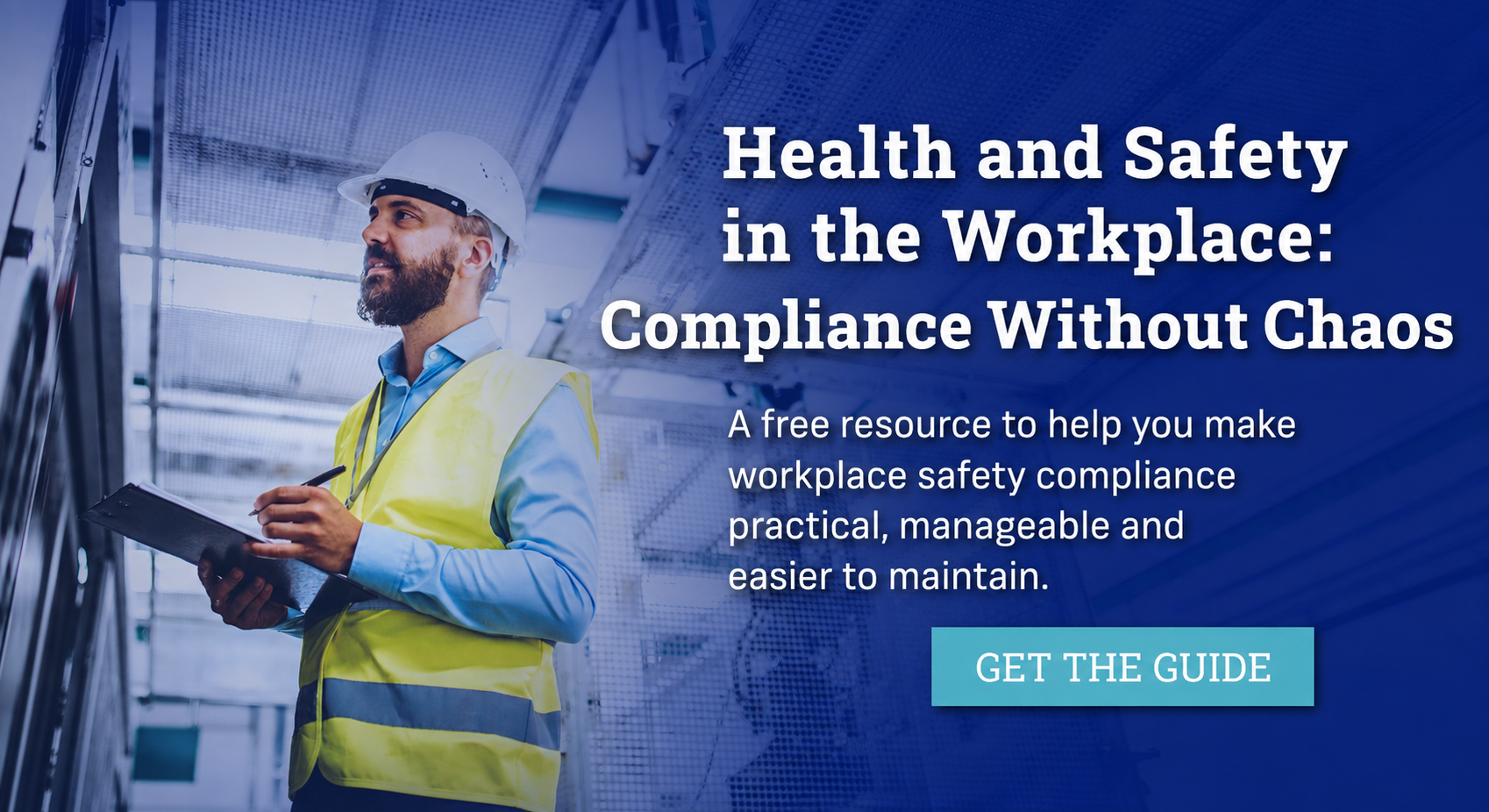
For a broader look at keeping compliance practical, read Health and Safety in the Workplace Compliance Without Chaos.
If you want support with program reviews and documentation, explore our HSE consulting and compliance support services.
If you want to talk through your current gaps, talk to an expert.
Latest News & Insights
Deeper Dives
Uncategorized
Occupational Hygiene: A Practical Guide to Identifying and Controlling Workplace Health Hazards
Focus & Insights
Workplace Noise Assessment and When You Need One
Focus & Insights
Silica Exposure and How to Control the Risk