

Focus & Insights
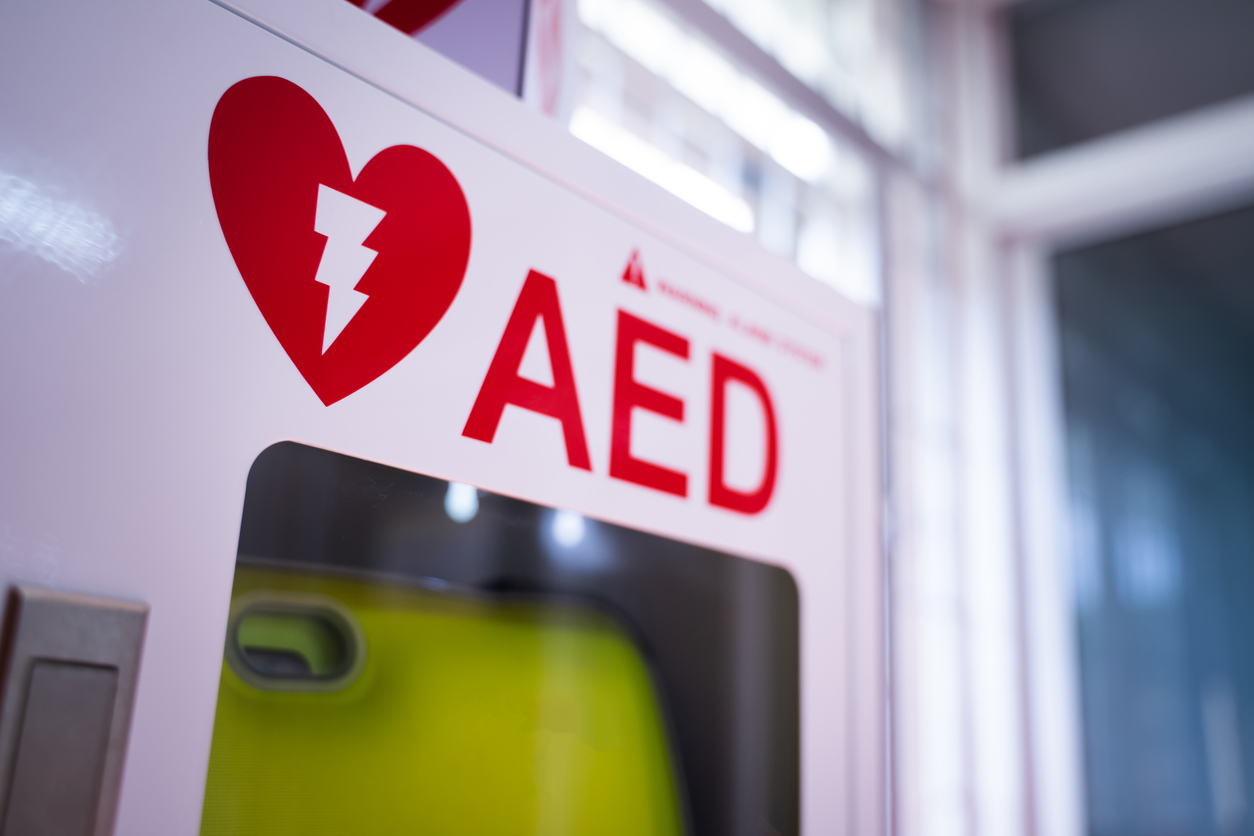
New AED Requirements Coming to Ontario Construction Sites — Effective January 1, 2026
Learn what Ontario’s new AED regulation requires and how your team can stay compliant with proper CPR and AED training.
Big news for Ontario’s construction sector
Automated external defibrillators (AEDs) will soon be mandatory on many construction projects. These changes stem from the Working for Workers Seven Act, 2025 and the newly published Ontario Regulation 157/25, which adds Section 27.1 to the Construction Projects Regulation, and outlines exactly when AEDs are required and what employers need to do to comply.
Here’s what changed, why it matters, and who is affected.
What Happened?
The Ontario government has passed legislation requiring AEDs on certain construction sites.
The new regulation comes into force January 1, 2026 and sets out clear requirements for constructors.
Under the regulation, an AED must be installed and maintained on any construction project where:
- 20 or more workers are regularly employed, and
- The project is expected to last 3 months or longer
Once the regulation takes effect, the Ministry of Labour, Immigration, Training and Skills Development (MLITSD) expects applicable projects to already have AEDs in place and be operating in compliance on day one.
Get compliant. Get trained.
CPR and AED training is included in CrossSafety’s First Aid course.
Get certified today: Standard First Aid CPR/AED Level C — SkillsCross
Why This Matters
Sudden cardiac arrest can happen anywhere — including active construction sites. AEDs save lives, and access within minutes can be the difference between survival and tragedy.
These requirements also support safer worksites by:
1. Reducing response time during emergencies
2. Strengthening safety culture
3. Reducing risk and liability for constructors
By complying with the new regulation, employers limit exposure to fines, stop-work orders, and reputational harm that can follow non-compliance.
Who Is Affected?
These requirements apply only to construction projects that meet both thresholds:
- 20+ workers employed regularly, and
- Project duration of at least 3 months
If your project meets these criteria, the constructor must ensure:
- At least one AED is installed on site
- The AED is clearly identified and accessible to all workers
- At least one person trained in CPR and AED use is present on the project
- Additional AED units are installed as needed, considering project size, layout, and worker distribution
MLITSD inspectors will begin with an education-focused approach, but — as always — compliance is enforced at the inspector’s discretion based on site conditions.
What About the WSIB Reimbursement Program?
The WSIB’s AED reimbursement program aims to reduce the financial burden on contractors who are now required to have AEDs on certain construction projects under Ontario regulations.
The program will:
- Open as of January 1, 2026, the same date the new AED requirement takes effect.
- Apply for reimbursement between January 1, 2026, and July 31, 2027. AEDs purchased between July 1, 2025, and June 30, 2027, are eligible for reimbursement through the program..
- Allow eligible businesses to request a reimbursement of up to $2,500 for the purchase cost (including taxes) of one qualified AED per project.
- You’ll receive a credit on your WSIB account within 60 days of your reimbursement request, if approved.
To apply, visit: https://www.wsib.ca/en/AED
Are your projects affected by this new AED regulation?
Ensure your team is compliant and well-prepared. CrossSafety offers AED training as part of our CPR & First Aid course.
Get certified today: Standard First Aid CPR/AED Level C — SkillsCross
Latest News & Insights
Focus & Insights
Accounting Specialists: We’re Hiring in Markham
Focus & Insights
Know the Risk, Control the Risk: Asbestos Awareness Training
Focus & Insights
Ensure Training Sticks: Turning Courses into On-the-Job Competency