

Focus & Insights
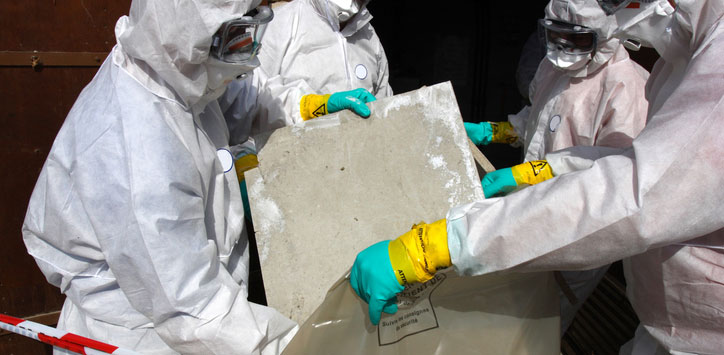
Know the Risk, Control the Risk: Asbestos Awareness Training
Asbestos awareness training helps Canadian job sites recognize asbestos risks, choose controls, and meet legal duties before work starts.
Asbestos awareness training helps you spot where asbestos may be hiding, understand what makes it risky, and choose the right next step before anyone starts cutting, drilling, or renovating. It’s a practical way to reduce surprises, protect workers, and show due diligence—especially when timelines are tight and multiple trades are on site.
Asbestos awareness training isn’t just “nice to have.” It’s a quick way to keep your project from turning into a compliance headache.
What is asbestos, and why does it still show up on job sites?
Asbestos is a group of minerals once used in building materials because they resist heat and wear. The problem is that asbestos fibres can be released when materials are disturbed.
Asbestos-containing material (ACM) means any product that contains asbestos (often in older buildings, but sometimes in unexpected places).
Here’s the tricky part: you don’t need a dramatic demolition for asbestos risk. A “small” job—like replacing pipe insulation, drilling into drywall, or pulling up old flooring—can be enough to create an issue if asbestos is present.
How do you know if your site has asbestos-containing materials?
The honest answer: you usually don’t know for sure until you check. That’s why planning matters.
A few practical signals that asbestos may be a possibility:
- The building or structure is older (common risk factor, but not the only one).
- You’re touching insulation, old flooring, textured coatings, ceiling tiles, or cement products.
- You have incomplete records, missing drawings, or “mystery materials.”
This is where occupational health and safety gets real. Good decisions come from good information.
What does asbestos awareness training actually cover?
Asbestos awareness training should do three things well: help you recognize risk, help you respond correctly, and help you document reasonable steps.
- Recognition: where asbestos hides
A good course won’t just list materials. It teaches you how jobsite conditions create risk: hidden layers, legacy repairs, mixed materials, and “we’ve always done it this way” shortcuts.
- Risk basics: what makes asbestos dangerous?
Two key definitions make this clearer fast:
- Friable means material that can be crumbled by hand pressure. Friable ACM can release fibres more easily.
- Non-friable means the fibres are more bound in the material, but cutting/sanding can still release them.
- Response: what to do before you disturb anything
This is where training separates “informed” from “confident.” You should walk away knowing when to:
- stop work
- isolate the area
- notify supervision
- check the asbestos survey or request one
- bring in qualified support
Do you need asbestos awareness training if you’re not an abatement crew?
Yes—because awareness isn’t abatement.
Here’s the difference in plain language:
- Awareness training helps you identify possible asbestos risk and take the right next step.
- Abatement training/qualification is for the people doing removal under strict procedures.
If you supervise work, coordinate trades, manage facilities, or approve project plans, asbestos awareness training supports workplace health and safety by reducing bad surprises. It also helps you avoid the worst sentence in construction: “We found something… and now everything stops.”
What are common mistakes we see on real projects?
You don’t need a long list. You need a few repeat offenders:
- Assuming the material is safe because it “looks fine”
- Skipping the review of the asbestos survey (or not having one)
- Letting schedule pressure override controls
- Treating asbestos as “someone else’s problem” (until it becomes everyone’s problem)
The fix is boring—in the best way. A clear process, trained people, and documentation.
What to do this week
If you’re trying to tighten up your approach quickly, start here:
- Confirm whether your sites have current asbestos surveys (and where they’re stored)
- Add an asbestos check step to your pre-job planning or hazard assessment
- Make it easy for crews to pause work without getting punished for it
- Clarify who gets called when suspect material is found
- Review PPE expectations for “stop work and isolate” situations
- Schedule asbestos awareness training for supervisors and high-exposure roles
- Document the plan (even a simple checklist beats “we talked about it”)
- Make sure contractors understand your process before they start
Quick FAQ
Our 1-Day Course Asbestos Hazard Awareness course is a one-day course.
No. Training helps you respond correctly, but it doesn’t confirm whether a material contains asbestos. A survey (and testing, when needed) provides that confirmation.
Pause the task, restrict access, notify supervision, and follow your site process. Then confirm next steps using your survey records or qualified support. This is general information; requirements vary by province/industry.
Ready to control the risk instead of reacting to it?
If you want a simple, practical way to reduce asbestos surprises, start with asbestos awareness training that matches what your crews actually do. The goal isn’t to turn everyone into an abatement specialist. It’s to make sure the right people recognize risk early, take the right next step, and keep the job moving without gambling on compliance.
Ready to take action? Enroll in our asbestos awareness training.
If you’re not sure what you or your team needs—or you’re dealing with multiple sites, contractors, or older facilities—reach out and we’ll help you map training to real job tasks: talk to an occupational health and safety expert.
Latest News & Insights
Focus & Insights
Know the Risk, Control the Risk: Asbestos Awareness Training
Focus & Insights
Ensure Training Sticks: Turning Courses into On-the-Job Competency
Focus & Insights
Workplace Danger Isn’t Always Obvious: Hidden Risks Like Dust, Noise, Strain, and Fatigue