Focus & Insights
Health and Safety Risks: What to Watch for and How to Prioritize
Health and safety risks in high-risk work can look “normal” right up until something goes wrong. Crews get used to the site, routines speed up, and small changes start to feel harmless.
The goal isn’t to treat everything as urgent. It’s to identify what can cause real harm, then focus attention where it reduces risk the most.
This article covers the most common health and safety risks in high-risk environments and a practical way to prioritize them without turning it into a paperwork exercise.
What Counts as Health and Safety Risks?
A hazard is something that can cause harm. A risk is the chance that harm will happen and how serious the outcome could be. In high-risk work, the hazard might stay the same, but the risk changes based on real conditions—crew experience, weather, access, equipment, time pressure, and fatigue.
That’s why risk decisions have to reflect what is happening today, not what a plan assumed last month.
The Most Common Health and Safety Risks in High-Risk Work
High-risk work usually involves a mix of immediate safety risks and slower-building health risks, plus the work conditions that increase both.
Mobile Equipment and Changing Work Zones
Struck-by and caught-between incidents become more likely when people and equipment share space without clear separation. The risk climbs when travel paths change, visibility is limited, spotters aren’t clearly assigned, or work zones aren’t controlled as the job progresses.
Falls, Access, and Temporary Conditions
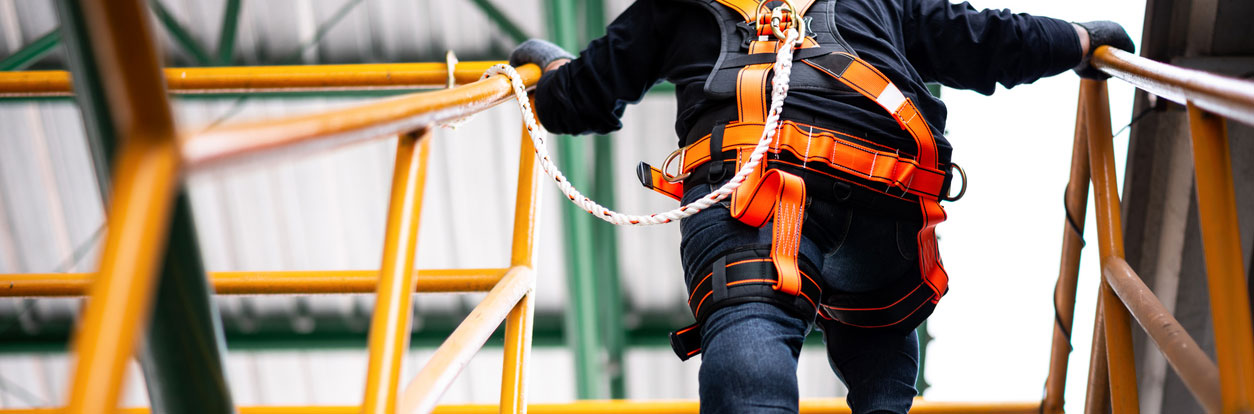
Falls can happen during routine tasks, especially when access changes mid-job. Ladders used “just for a minute,” incomplete platforms, unprotected edges, cluttered walkways, and changing surfaces can turn a normal movement into a serious incident.
Uncontrolled Energy and Unexpected Start-Up
Lockout and energy isolation failures show up during maintenance, repairs, and troubleshooting. The risk increases when work is non-routine, when multiple trades are involved, or when ownership of isolation and start-up is unclear.
Electrical Exposure Beyond the Electrical Trade
Electrical hazards aren’t limited to electricians. Temporary power, wet conditions, damaged cords, inadequate ground fault protection, and work near overhead lines can create high-consequence exposure quickly, especially when sites change daily.
Hazardous Substances and Airborne Exposure
Dust, fumes, and chemicals can be easy to underestimate because the harm isn’t always immediate. Silica, welding fumes, solvents, and poor ventilation are common issues where exposure control needs to be deliberate. If you can smell it or see it, it’s worth asking what the controls are doing.
Noise, Heat, and Physical Strain
Some risks build quietly over time: noise exposure, vibration, heat stress, repetitive strain, and heavy manual handling. These can lead to long-term injury, lost time, and avoidable claims if controls and work design aren’t consistent.
Work Organization Risks Like Fatigue and Rushing
Fatigue, tight schedules, rotating crews, and weak handoffs make every other hazard more dangerous. When people are tired or rushed, they miss cues, skip controls, and take shortcuts that wouldn’t happen on a calm day.
Why Risk Priorities Get Missed on Busy Sites
Most teams don’t ignore risk on purpose. They get pulled into what feels urgent.
Normalization is one issue. When people do risky work every day, it starts to feel routine. Change is another. A plan may describe an ideal day, but work shifts in real time. Ownership is a third. When it’s unclear who is responsible for critical controls, consistency disappears.
When these factors combine, the job can look controlled while the real risk quietly rises.
How to Prioritize Health and Safety Risks Without Overcomplicating It
You don’t need a complex scoring system to make better decisions. You need a consistent way to rank what matters most right now.
Start with severity. Ask, “If this goes wrong, how bad could it be?” High-consequence risks deserve attention even if they happen less often.
Then pressure-test likelihood based on current conditions. New crew members, non-routine tasks, unfamiliar equipment, weather changes, and schedule pressure all increase the chance that controls will fail. If conditions have changed, likelihood has changed too.
Next, add exposure. A moderate hazard that workers face all day can cause more harm over time than a severe hazard encountered occasionally. Exposure keeps your priorities grounded in real operations.
Finally, sanity-check control reliability. Are controls visible? Are they being used? Is ownership clear? If a control depends entirely on “remembering,” the risk is likely higher than the paperwork suggests.
Signs Your Risk Priorities Might Be Off
A few patterns show up quickly when priorities don’t match reality. Repeat findings in inspections are one sign. Near misses that look similar are another. Last-minute changes with no reset conversation is a third. When those patterns exist, the risk process may be happening, but it isn’t influencing the work.
FAQ
Health and safety risks are the likelihood and potential severity of harm from hazards, shaped by real conditions like exposure, environment, and crew experience.
Start with severity, adjust likelihood for today’s conditions, and include exposure. Then confirm controls are visible, owned, and actually used in the field.
Review whenever conditions change—new equipment, new crews, new layout, non-routine tasks, or trends in incidents or near misses. High-risk work needs frequent check-ins.
Next Steps
For the bigger picture on making high-risk work safer without overcomplicating it, go back to our pillar page: Dangerous Jobs, Safe Work [link to pillar page].
If you need experienced support to strengthen due diligence, improve on-site consistency, or add capacity during a ramp-up, explore HSE Management & Safety Staffing Solutions.
Latest News & Insights
Focus & Insights
Occupational Health and Safety Incident Reporting and Investigation
Focus & Insights
Occupational Health and Safety Responsibilities of Employers, Supervisors, and Workers
Focus & Insights
How to Prepare for a Health and Safety Inspection on a Construction Site