
Focus & Insights
CPR Training: How to Be Ready When Every Second Matters
Get CPR training to ensure construction workers respond fast to cardiac emergencies with CPR and AED skills.
Every workplace should be prepared for emergencies — but when a sudden medical crisis happens, having trained responders makes all the difference. That’s where CPR training becomes essential. In this guide, we walk through what CPR training is, why it matters, who needs it, and how CrossSafety’s 2-day CPR & AED course delivers critical lifesaving skills.
Why this training matters for you
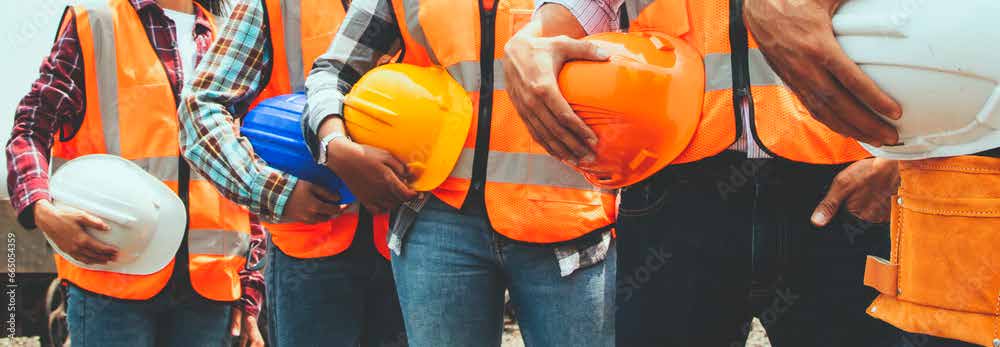
On a construction site, things move fast. Heavy equipment. Tight timelines. Long days.
If someone collapses from a medical emergency, there’s no time to Google what to do.
CPR training gives you the ability to step in when it matters most — before paramedics arrive and while every second still counts. Whether you’re a worker, supervisor, or the person ultimately responsible for the site, knowing that someone on your crew can respond properly is a big deal.
This isn’t about becoming a medic. It’s about being ready when something goes wrong — because on real job sites, it eventually does.
What you’ll learn and why it’s useful
This CPR & AED course sticks to the essentials — the things you actually need in the moment, explained in plain language.
You’ll learn:
- How to recognize when a situation is serious (and when it’s time to act)
- How to follow the Check, Call, Care approach so you don’t miss a step
- How the emergency response system works and when to activate it
- How to respond to breathing and circulation emergencies
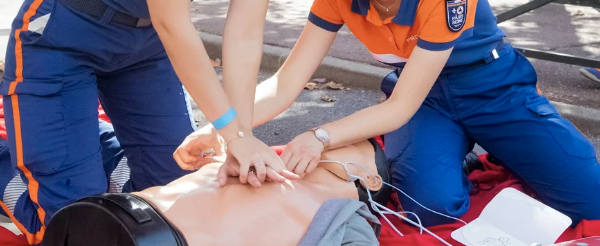
- How to perform CPR and use an AED correctly (yes, you’ll actually practice)
- How to respond to cardiac arrest until help arrives
- How to manage common job-site injuries like wounds and trauma
- How to respond to sudden medical emergencies, environmental illnesses, and poison exposures
It’s hands-on training built for real people in real situations — not theory, not medical jargon, and definitely not “figure it out on your own.”
Will this help me on the job? Absolutely.
Here’s the honest answer: you hope you never need it.
But if you do — you’ll be glad you took it.
CPR training helps:
- Workers feel more confident stepping in during an emergency
- Supervisors know their crews are prepared
- Decision-makers reduce risk, liability, and downtime
- Everyone get home at the end of the day
And with new AED requirements coming to certain Ontario construction projects in 2026, CPR and AED training isn’t just useful — it’s quickly becoming essential.
Take Action: Be Prepared, Be Certified
Emergencies aren’t predictable — but preparedness is.
CrossSafety’s CPR & AED course gives your team the skills they need to act with confidence when every second counts.
Ready to get trained? Register now: https://www.skillscross.com/cpr
Latest News & Insights
Focus & Insights
Workplace Infection Prevention for Healthcare Construction & Maintenance
Focus & Insights
Canadian PPE Changes in Construction: What’s New and What to Do Next
Focus & Insights
Ontario’s “As of Right” Labour Mobility Rules Are Here. Your OHS Due Diligence Isn’t Going Anywhere.