
Focus & Insights
Canadian PPE Changes in Construction: What’s New and What to Do Next
The launch of the Canadian Construction Safety Council (CCSC) marks a pivotal moment in the evolution of safety standards across Canada’s construction industry — and it deserves the attention of every contractor, project manager, and safety leader committed to protecting people and performance.
Founded by 12 of Canada’s largest general contractors, including PCL, EllisDon, Aecon, Graham, Kiewit, and others, the CCSC’s mission is clear: elevate industry safety performance through proactive leadership, shared best practices, and measurable standards that reduce serious injuries and fatalities.
At CrossSafety, we welcome these developments — they align with a core principle of risk management and workforce protection: anticipate hazards, adopt the best available controls, and partner for continuous improvement.
1. Hard Hat Evolution: Type II Helmets with Integrated Chin Straps
One of CCSC’s first initiatives is the shift toward Type II safety helmets—a significant upgrade from traditional hard hats. Type II helmets provide 360° protection and improved impact resistance compared to conventional Type I hard hats, which primarily protect the top of the head.
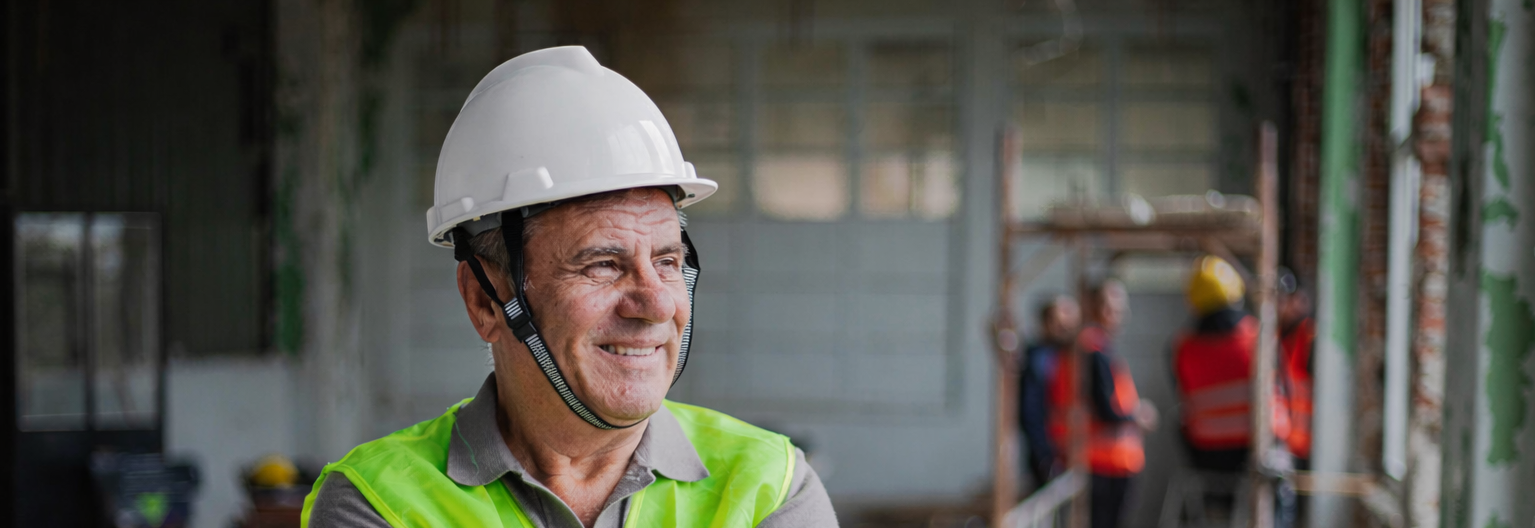
Critically, CCSC emphasizes helmets with manufacturer-tested, integrated chin straps. This isn’t a cosmetic add-on — it’s a safety system engineered so the helmet stays on the worker’s head during slips, trips or falls, reducing the risk of traumatic brain injuries.
For construction companies, this means reviewing PPE specifications, procurement, and fit-for-use assessments — and engaging workers early so they understand comfort and compliance benefits.
2. Stricter Fall Protection Threshold: Six Feet, Not Ten
Fall hazards remain one of the leading causes of serious injuries and fatalities in construction. Historically, many occupational health and safety laws in Canada trigger fall protection at around 3 metres (10 feet).
The CCSC is advocating for a more conservative threshold — fall protection measures at 6 feet (approximately 1.8 metres) — underscoring that prevention starts earlier than regulation alone requires.
What this signals to construction employers is a shift from “minimum compliance” toward “best practice compliance”: guardrails, harness systems, travel-restraint devices, and clear procedural controls should be in place at distances before a fall becomes a grave risk. CrossSafety strongly encourages companies to adopt these benchmarks in their own fall protection programs — not as an option, but as responsible leadership.
3. ANSI Level 4 Cut-Resistant Gloves: Raising the Bar on Hand Protection
Hand injuries remain pervasive in construction — from handling sharp metal, managing tools, or working with abrasive materials.
The CCSC is promoting ANSI Level 4 cut-resistant gloves, a step up from common general-purpose gloves, to significantly reduce lacerations and hand trauma.
For safety and procurement teams, this means updating glove matrices based on task-specific risk assessments — and, importantly, ensuring workers have comfortable, high-performance gloves they will actually wear.
4. What This Means for Your Safety Culture and Compliance Strategy
These initiatives are not just technical changes — they reflect an industry-wide shift toward proactive safety leadership and harmonized standards across major contractors. They offer construction companies an opportunity to:
- Re-assess PPE policies against emerging benchmarks
- Reduce variability between subcontractors and trade partners
- Demonstrate commitment to worker well-being, beyond regulatory minimums
- Use safety performance as a competitive differentiator in bids, partnerships, and client relationships
The CCSC’s strategic objectives — from reducing fatalities to enhancing safety image and building mental health awareness — echo the integrated approach CrossSafety champions: safety that protects people, strengthens operations, and supports business resilience.
Final Word
As Canada’s construction landscape continues to grow, so does the responsibility to protect the workforce that builds it. The CCSC’s early focus areas — advanced head protection, earlier fall protection triggers, and enhanced hand protection — are not just regulatory talking points; they are practical, evidence-based steps toward safer sites and stronger companies.
At CrossSafety, we help construction leaders translate these benchmarks into actionable safety programs that drive measurable results. If your organization is evaluating its PPE standards, fall protection strategy, or safety culture practices in light of CCSC’s initiatives, we’re here to support that journey.
Ready to contact our team about fall protection and PPE compliance? Talk to an expert.
Latest News & Insights
Focus & Insights
Ensure Training Sticks: Turning Courses into On-the-Job Competency
Focus & Insights
Workplace Danger Isn’t Always Obvious: Hidden Risks Like Dust, Noise, Strain, and Fatigue
Focus & Insights
Safety Management in the Real World: How Supervisors Prevent Incidents Before They Start