

If you manage people, projects, or a workplace, you already know the goal: keep work moving and keep people safe. Occupational health and safety can sound like policies and posters, but in the real world it’s day-to-day decisions—especially when schedules are tight and conditions change.
Hidden and slow-building exposures can lead to incidents, injuries, claims, and compliance issues—often before anyone realizes the risk has stacked up. That’s why this guide focuses on practical habits you can run daily, not perfect-world paperwork.
You’ll get quick definitions, examples you can actually use, and a “what to do this week” checklist. The aim is simple: workable controls, clear expectations, and routines that help you show due diligence without slowing down operations.
Table of Contents

What Does Occupational Health and Safety Mean in Canada?


Definition: Occupational health and safety is the set of laws, roles, and everyday practices used to prevent workplace injury and illness. It includes safety (sudden harm, like falls) and occupational health (harm that builds over time, like hearing loss).
In Canada, requirements vary by province and territory, and by sector. The details can differ, but the expectation is consistent: workplaces must take reasonable steps to protect workers, and supervisors must ensure work is done safely. Workers also have duties to follow procedures and use controls properly.
Due Diligence (Quick Definition): Due diligence means you took reasonable steps to prevent harm. In plain terms: you planned the work, controlled hazards, trained people, supervised the work, and checked that controls were working in real conditions.
If you need a trusted reference for your jurisdiction, start with a provincial regulator.
Why Do Hidden Risks Cause So Many Problems?

Hidden risks are the things that feel normal—until they aren’t. They can be slow-building exposures like dust and noise. They can be “small” shortcuts that become habits. They can be fatigue, strain, and workload pressure that quietly increase mistakes.
These issues often don’t show up in a quick walk-through because the risk isn’t always in one obvious spot. It’s in patterns. It’s in the way work is actually done when time is tight, access is awkward, or the plan changes mid-job.
Here’s what patterns can look like in real workplaces:
- A task that “always runs long,” a control that “gets in the way,”
- A process that “depends on one person,”
- A corner that “always gets messy by noon.”
Those are signals that your workplace health and safety system is drifting away from what you intended.
This matters most in high-risk environments where conditions change fast and work pressure is real. Even strong programs can fail if they only work on ideal days. That’s why the rest of this page is about practical habits that hold up when reality shows up.
What Is a Practical System You Can Run Daily?
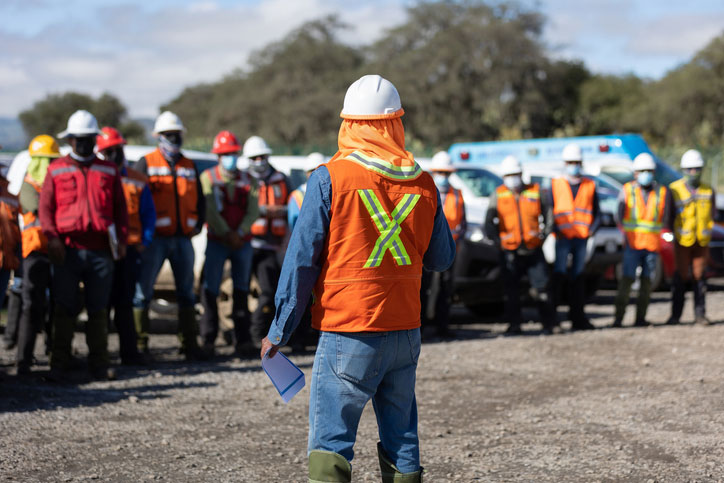
A practical health and safety system doesn’t need fancy language. It needs a repeatable loop your team can run under pressure. Here’s a simple five-part routine that works in construction, industrial settings, and institutional environments.
1. Identify Hazards Before the Task Starts
Hazard (Definition): A hazard is anything that can cause harm.
Start with one question: What could hurt someone today? Then look at the places risk tends to hide:
- Changes to the plan
- New workers or new roles
- Unfamiliar equipment
- Tight access or awkward lifting
- Work near traffic, energy sources, or other trades
You don’t need a perfect list. You need a usable one that matches today’s conditions.
2. Match Controls to the Risk
Control (Definition): A control is a step that reduces risk.
Controls should fit the hazard and the work. The best controls are the ones you can actually keep in place when the day gets busy. If a control only works when everyone remembers perfectly, it’s going to fail eventually—because people are human, not robots.
In simple terms, try to control risk in this order:
- Remove or reduce the hazard where you can
- Improve the setup
- Guard or isolate the hazard
- Use clear procedures and permits for higher-risk tasks
- Use PPE as a final layer.
PPE matters, but it works best when it isn’t carrying the whole load.
3. Set Clear Expectations and Assign Ownership
Controls can break down when no one owns them. If you want a control to stay in place, give it a named owner. Add a timeframe (even if it’s “today”) and decide how you’ll confirm it’s working.
This is also where “clear expectations” matters most. If your team can’t explain the control in plain language, you don’t have a control—you have a suggestion.
4. Verify Controls Where Work Happens
Verification (Definition): Verification is checking that controls are in place and used correctly.
Verification can be fast, respectful, and practical. It can be a short supervisor check, a quick observation during a high-risk step, or a “show me how you’ll do it safely” conversation. The key is doing it at the workface, not from a distance.
If you want fewer surprises, verify early in the shift. That’s when small misses are easiest to correct and cheapest to fix.
5. Improve With Small Fixes That Stick
After the task, take two minutes to ask:
What changed, what worked, and what didn’t? Then fix one thing before next time. Small improvements done consistently build a system that lasts.
This is what strong occupational health looks like in practice: consistent routines, clear expectations, and checks that match real work.
How Do You Prove Due Diligence Without Drowning in Paper?

This is where many teams feel stuck. You want simple proof of due diligence that stands up when questions are asked—without burying your people in paperwork.
Documentation should do two jobs:
- Help the work (by guiding setup and checks)
- Prove the work (by showing what you did and when)
What “Reasonable Steps” Look Like Day-to-Day
“Reasonable steps” will vary by hazard and risk, but practical proof often includes:
Pre-job planning notes for higher-risk work, task-level hazard review when conditions change, inspection records that include corrective actions, training records tied to actual tasks, and supervisor verification notes.
Job Hazard Analysis (JHA) / Job Safety Analysis (JSA) (Quick Definition): A JHA/JSA breaks a task into steps, lists hazards for each step, and sets controls for those hazards.
A JHA/JSA becomes powerful when it reflects how the job is actually done. If it’s copied and pasted every time, it stops being a control.
How To Keep Documentation Useful
The best systems are easy to run. A few simple rules help:
- Keep forms short, avoid duplicates
- Store records in one place
- Name files clearly (site + date + task). If you can’t find a record quickly, you won’t use it when it matters.
Also, don’t confuse “paper complete” with “control in place.” A filled-out form is not the same thing as a verified control. The paperwork supports your program; it doesn’t replace it.
Training Vs Attendance: How Do You Build Real Competency?
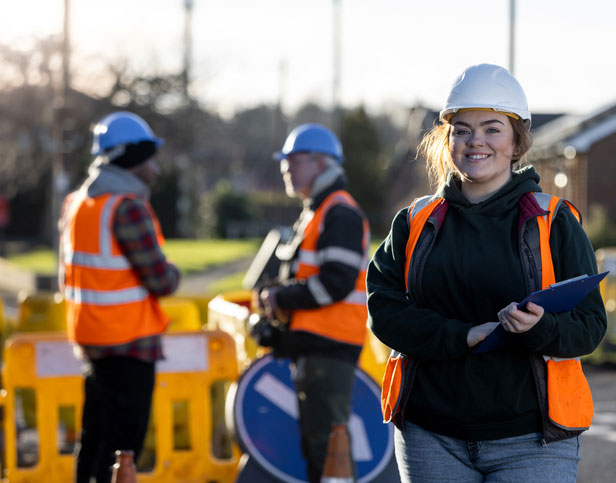
Attendance is not the same as readiness. You can sit through training and still not be able to do the job safely under real conditions.
Competency (Definition): Competency is the ability to do a task safely, in real conditions, without needing constant correction.
What Makes Training Stick
Training sticks when it is tied to real tasks, reinforced on the job, and verified by supervisors. That includes hands-on practice, clear steps, and a quick check that confirms the person can apply the learning where it matters.
A simple “show me” check can be enough:
- Show me the inspection step.
- Show me the no-go zone.
- Show me what you do if conditions change.
- Show me where the permit requirements are.
That approach also supports workplace health and safety because it doesn’t just test memory—it tests real-world application.
When To Refresh Training
Refresh training when the hazard changes, the process changes, the equipment changes, or you see patterns in incidents and near-misses. Also refresh when people haven’t done a task in a long time, or when supervisors observe skill gaps.
If you’re seeing repeat mistakes, treat it as a system signal. Either the training didn’t match the task, the controls aren’t workable, or supervision isn’t verifying the critical steps.
Who Owns Responsibilities on Shared Jobsites?
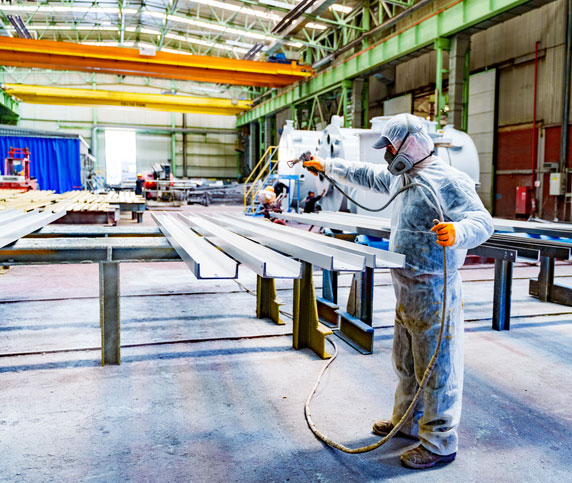
Shared sites create shared risk, and shared risk can create shared confusion. On construction projects, responsibilities may involve constructors/prime contractors, employers, supervisors, workers, and subcontractors. In industrial settings, you may have contractors working under site rules. In institutional environments, you may have maintenance teams plus vendors working around public access.
Supervisor (Definition): A supervisor is anyone who has charge of a workplace or authority over a worker. If you direct work, you have duties.
The Practical Fix: Make Ownership Obvious
Good systems reduce confusion by making responsibilities clear at kickoff and consistent during the work. That includes:
- Who runs orientation
- Who controls permits
- Who inspects which controls
- Who approves changes
- How hazards are reported and escalated
This is also where frontline routines matter. Daily huddles, short verification checks, and clear site rules help different employers work safely together without slowing everything down.
A common failure point is assuming “someone else” checked the control. Verification prevents that. Another failure point is treating permits like paperwork instead of controls. The most effective permit reviews happen at the workface, with the crew doing the task.
How Do You Plan High-Risk Work So Controls Stay in Place?

High-risk work planning is where many programs either succeed or fail. The goal is to confirm the controls before work starts and to re-confirm when conditions change.
High-Risk Work Planning (Quick Definition): Planning that confirms hazards, controls, permits, and roles before work begins, and again when conditions change.
A Simple Planning Flow That Works
Start by defining the task boundaries: where the work happens, who is involved, and what equipment is used. Then identify hazards for real conditions—weather, access limits, traffic, noise, dust, nearby trades, and schedule pressure.
Next, pick controls and confirm resources. Controls fail when you don’t have what you need to run them: time, competent people, the right equipment, and working systems like ventilation, guarding, and traffic control.
Permit (Definition): A permit is a formal control that sets conditions for higher-risk work and confirms requirements are met before starting.
Finally, do two checks:
A “start check” before work begins, and a “change check” when something shifts mid-job. If your plan only works on ideal days, it isn’t a plan—it’s wishful thinking with a clipboard.
What Should You Do This Week to Reduce Risk Fast?

Use this list as a quick reset. It’s designed to be doable, even when you’re busy.
- Pick one high-risk task and do a start check before it begins.
- Walk one area and identify three hidden risks (dust, noise, strain, fatigue).
- Review your last 10 near-misses and find any repeating patterns.
- Make one control easier to follow (clearer signage, better access, better storage).
- Ask two workers what part of the day feels most risky and write it down.
- Update one JHA/JSA so it matches how the job is actually done.
- Check one permit process and confirm it happens where the work happens.
- Verify one role’s competency with a short “show me” check.
- Do one supervisor observation and record one improvement action.
Close out one old corrective action (or remove it if it’s no longer real).
Quick FAQ
What Is the Difference Between Safety and Occupational Health?
Safety is about sudden harm (like falls). Occupational health is about harm over time (like noise, dust, and strain). Strong programs address both.
How Often Should We Refresh Safety Training?
Refresh when tasks, hazards, or equipment change, or when you see trends in incidents and near-misses. Higher-risk work usually needs more frequent refreshers.
What Is Due Diligence in Simple Terms?
Due diligence means you took reasonable steps to prevent harm. You identified hazards, applied controls, trained people, supervised the work, and corrected issues.
Do We Need a JHA/JSA For Every Task?
No. Use JHAs/JSAs for high-risk, complex, new, or frequently changing work. Stable, low-risk tasks can use simpler checks.
What Is the Fastest Way to Improve a Weak Program?
Start verifying controls in the field and fix one repeating issue each week. Small, consistent corrections create lasting change.
Strong occupational health and safety isn’t about more paperwork. It’s about steady frontline routines and simple proof of due diligence that stands up when questions are asked.
If you want practical, day-to-day support—whether you need extra hands, stronger routines, or help keeping controls in place—explore our HSE Management and Safety Staffing Solutions.
If you’d rather talk through your situation and map out practical next steps, you can talk to an occupational health and safety expert.
Additional Reading
- Workplace Ergonomics 101: How to Spot Risk Before It Becomes an Injury
- Safety Programs That Actually Work: A Practical Blueprint for High-Risk Work
- Safety Management in the Real World: How Supervisors Prevent Incidents Before They Start
- Workplace Danger Isn’t Always Obvious: Hidden Risks Like Dust, Noise, Strain, and Fatigue
- Ensure Training Sticks: Turning Courses into On-the-Job Competency
- Safety and Compliance on High-Risk Job Sites: What “Due Diligence” Looks Like in Practice