
Focus & Insights

Ensure Training Sticks: Turning Courses into On-the-Job Competency
Ensure training leads to job competency with practice, supervision, and verification in real work conditions.
To ensure training has real value, you need more than a sign-in sheet and a certificate. In high-risk work, the goal is not just course completion. It is job competency: the ability to apply knowledge and skills safely, consistently, and under real conditions.
That gap matters. Many employers invest in training, then wonder why behaviours do not change on site. This article looks at how to connect formal learning with supervision, practice, and verification so training holds up where it counts.
Ensure Training Connects to the Real Job
Training works best when it reflects actual tasks, actual hazards, and actual decisions workers face. A course can build knowledge, but knowledge alone does not prove readiness.
Competency means a worker can perform a task properly in the field, not just describe it in a classroom. If the training content does not match the work, transfer drops fast and people default to habit, shortcuts, or whatever the last crew happened to do.
On-the-Job Learning Needs Coaching and Reinforcement
To improve training outcomes, supervisors need to reinforce key points after the course ends. That can include site-specific orientation, demonstrations, short refreshers, and direct feedback during the work.
This step is where a lot of otherwise solid training loses traction. People return to a busy environment, production pressure kicks in, and the binder goes back to its natural habitat: a shelf no one opens.
Competency Requires Verification, Not Assumptions
If you want workplace training to stick, you need a way to confirm that workers can apply it. That means observing tasks, checking decisions, reviewing critical steps, and correcting gaps before they turn into incidents.
Key Considerations for Busy Operations
Requirements vary by jurisdiction, industry, and task, so employers should align training and verification with the work being performed. New hires, reassigned workers, contractors, and infrequent high-risk tasks often need closer follow-up than the record alone suggests.
Quick FAQ
It means a worker can apply the required knowledge and skills correctly and safely in real job conditions.
Because workers still need practice, supervision, and verification to apply what they learned on the job.
By aligning training to the task, reinforcing it in the field, and verifying performance through observation and coaching.
The takeaway is simple: training becomes useful when it is reinforced, observed, and applied on the job.
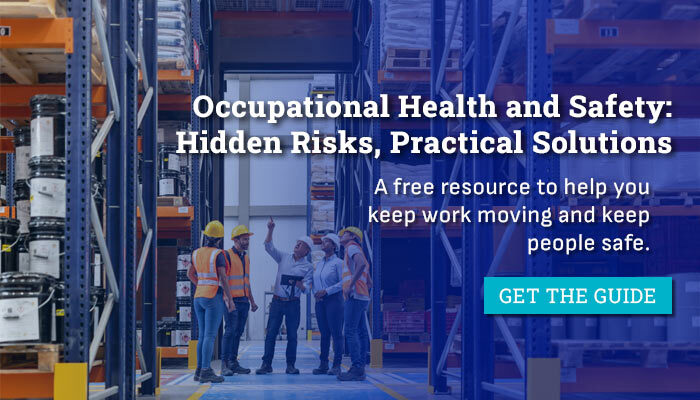
If you want to go through your risks, your current process, and what a practical safety management plan could look like, talk to an expert. If you want a practical deep dive on keeping safety and compliance strong when work is busy and conditions shift, read our latest guide on hidden risks and practical solutions.
Latest News & Insights
Focus & Insights
Occupational Health and Safety Training Requirements for Employers
Focus & Insights
Canada Labour Code vs Provincial Health and Safety Regulations: Why “We’re Compliant” May Not Be Enough
Focus & Insights
Is Your Business Federally Regulated? A Quick Canadian Labour Code Checklist